
 Madagascar!
Even the word Madagascar shouts out adventure! Madagascar is that mysterious island on the side of Africa, familiar from my childhood adventure books and board games!
Actually traveling there did not seem very likely to me, much less touring the island on a motorbike. But now it is becoming a reality!
How much more exited could one be?!?

Our flight from Paris to Madagascar Antananarivo Ivato international airport arrived late in the evening. First items on the arrival list are the usual hassles of queuing to customs, exchanging local currency and finding the right SIM card. This is a small airport, services are few and customers arrive in bulk when international flights arrive. Ours was the last landing for the day.
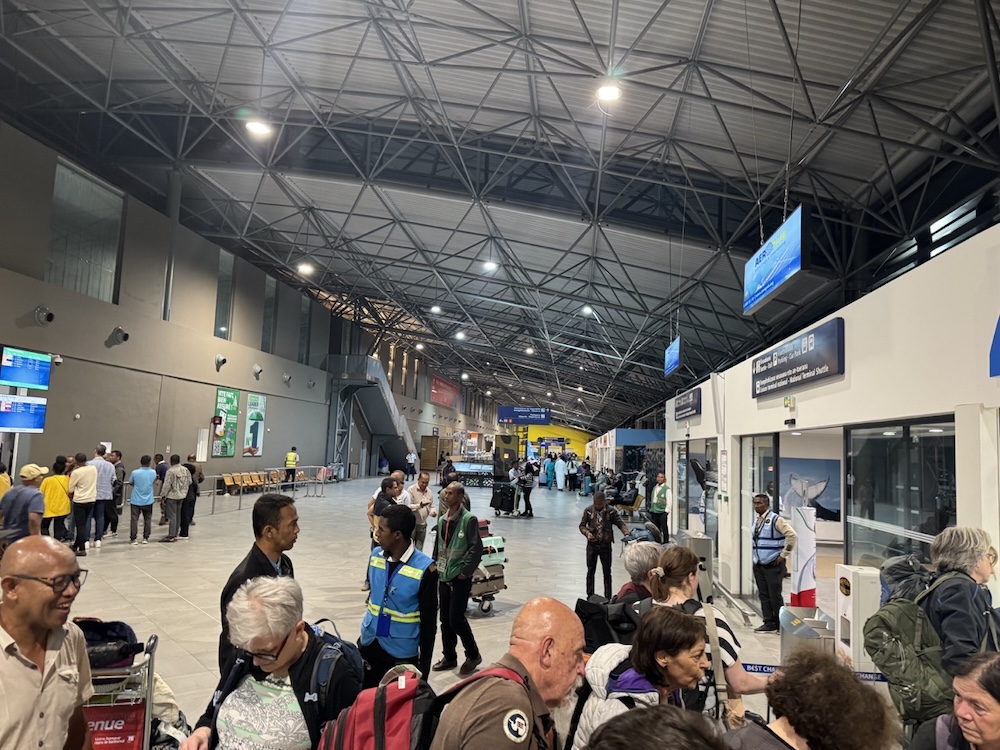
Thankfully after the long flight, everything is easy to find, just need a bit of patience to get it all sorted. Money from the currency booth, (there is one ATM) and SIM-card from one of the two vendors.
Obtaining the SIM card takes a while, since they are not just handed over, but paperwork is meticulously prepared and the phone is also set up correctly to use the desired network.
It never seizes to amaze me how they can take any phone in any language, navigate through the menus to the right place on the phone, set everything to use the local providers and finally activate the SIM with text messages. You just need make sure that the SIM covers the area you are about to travel, although the coverage was pretty good anywhere we went.

The night is warm and taking in the first impressions of a new country is always memorable. We were now six and waiting for everyone to get their basics sorted gives some time to sit outside and to observe the airport life and to breath in the warm and fragrant Malagasy air.
Observing the airport porters is fun. Help is at hand if you need some with your luggage. And also if you don’t. There are some very active porters aggressively helping tourists and they come in herds. I guess now is the time to get some hefty tips before the tourists get an understanding of the costs and the level of tipping in the new city. Porters are happy to suggest a rate, which is easily ten times what would be the actual norm. Understandably the porters mainly go for the tourists just arriving.
2CV as a Taxi!
Our Madagascar experience starts from the first contacts with the locals at the service counters, porters and with our driver, who took us to our hotel in an impressive classic 1970’s Volkswagen Kleinbus. This Kleinbus was not something that would have been restored as a novelty for the hotel but a working vehicle.
The city is like an automobile museum of a kind, particularly if you like French classics such as Citroen 2CVs and Renault 4s. A number of older Peugeots as well. Should you fancy a ride in one of those, it’s easy since they are virtually all taxis!

Our hotel is modern and comfortable. The arrival beers from the room minibars (restaurants are already closed) and we congregate to the lobby for arrival beers and comparing first impression and making plans for exploring the city the following day.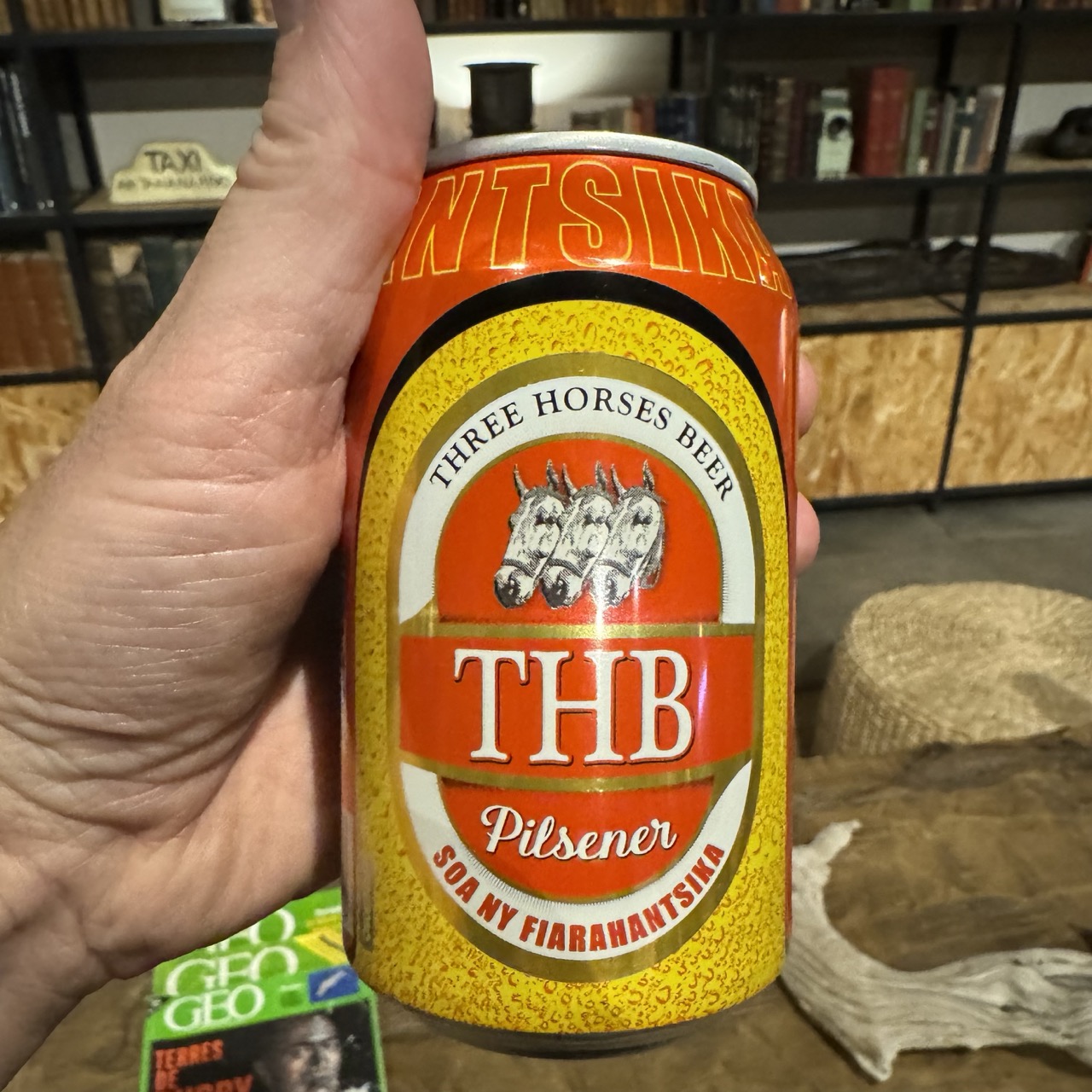
Everyone can feel the anticipation for the coming days in the air.
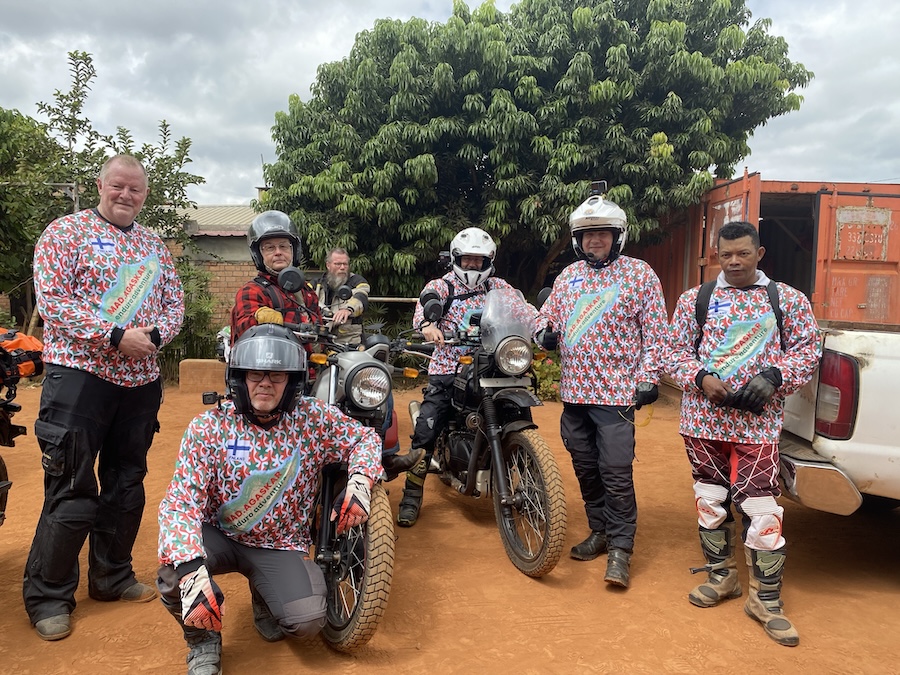
Madagascar and Antananarivo Facts
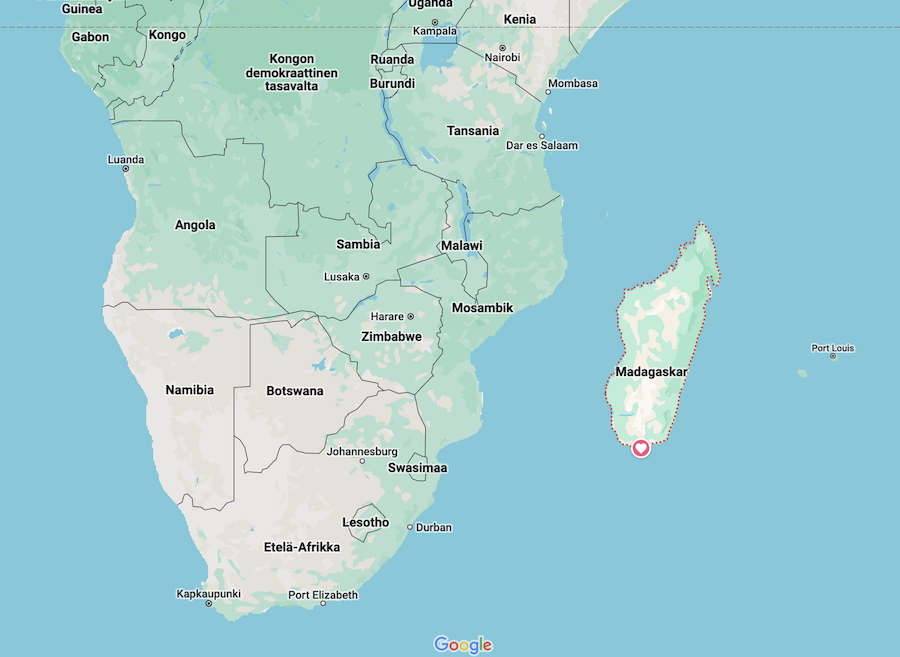
Madagascar is an island some 400 km off the southeast coast of Africa and the fourth largest island in the world. It is separated from the African continent by the Mosambique channel. Island’s land area is 587,041 sq km and population some 29 million. Madagascar gained independence from France in 1960, which explains the French influence. French is also widely spoken here. Malagasy is the local language though.

Since gaining its independence, the island has experienced political instability, including coups and violent unrest. The coup in 2009 led to five years of political deadlock, international condemnation and economic sanctions.
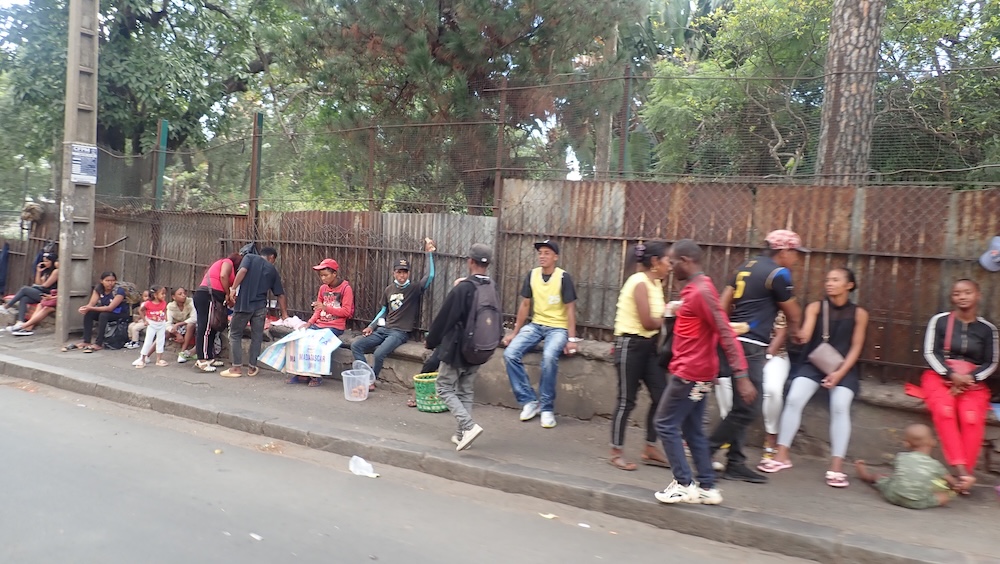
Madagascar in one of the world’s poorest countries and is heavily dependent on foreign aid. It has also faced devastating cyclones that have further added to economic hardships. Erosion and cutting forests to clear rice fields, for fuel and building materials and to export valuable timber such as ebony, rosewood, and sandalwood have caused about seven-eighths of the island to be covered today with prairie grasses and bamboo or small thin trees. Read more about Madagascar from BBC country profiles or https://www.britannica.com/place/Madagascar.
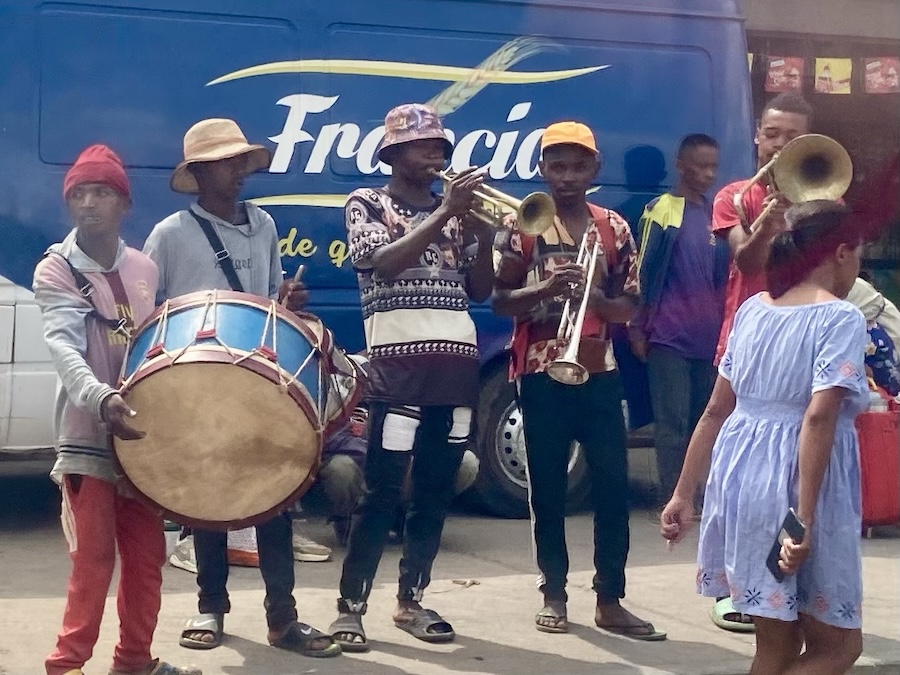
Antananarivo aka Tana for locals, is the country’s capital with some 1.7 million people. The Presidency, National Assembly, Senate, and Supreme Court are located there, as are diplomatic missions and the headquarters of many national and international businesses and NGOs. The climate is temperate as the city sits at around 1280 m. This is a wild and lively city with markets everywhere selling anything conceivable. New hotels are being built to welcome the tourists.
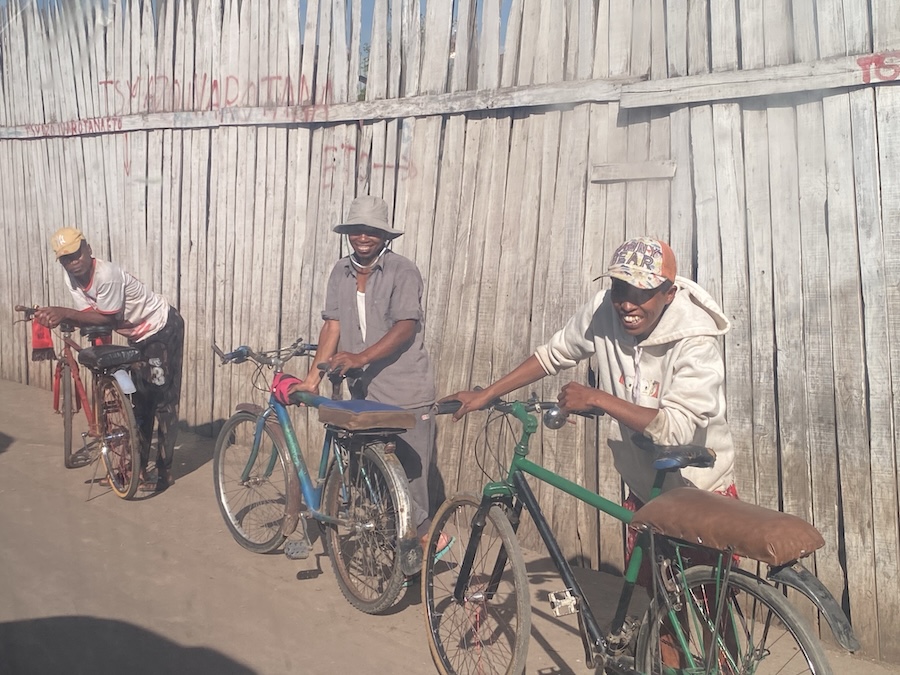
Checking out the city – And Lemurs Of Course!
People generally are nice and smile a lot everywhere on Madagascar. As a very poor country, begging in the capital can be much more lucrative than work. The amount of beggars seems however to be a very Tana thing, encouraged by the tourists handing money, sweets, etc to the children. Aggressive touting and begging does create a slightly uneasy feeling but we did not come across anything that would have been a cause for worry.
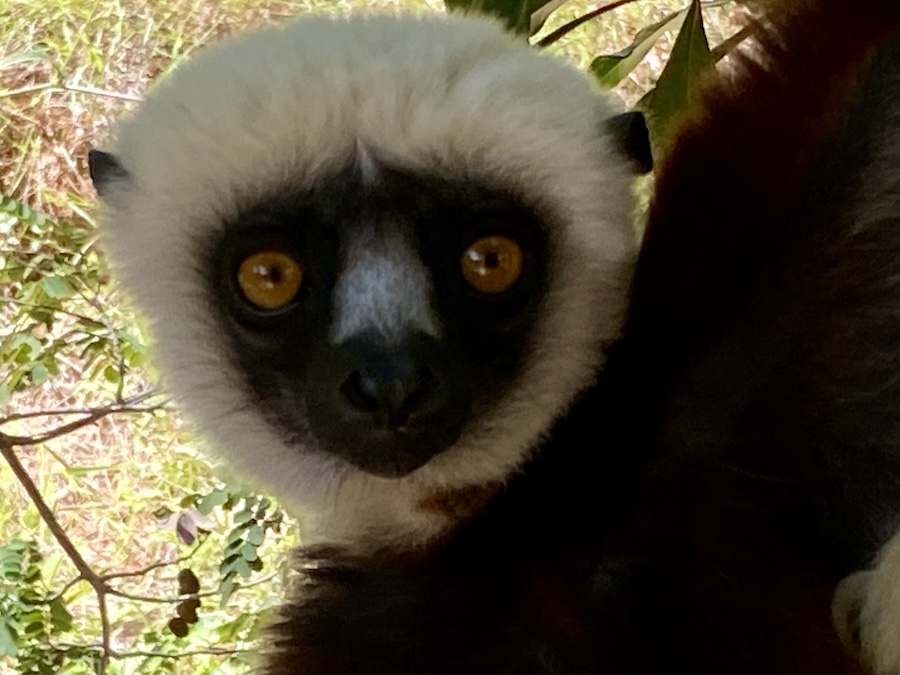
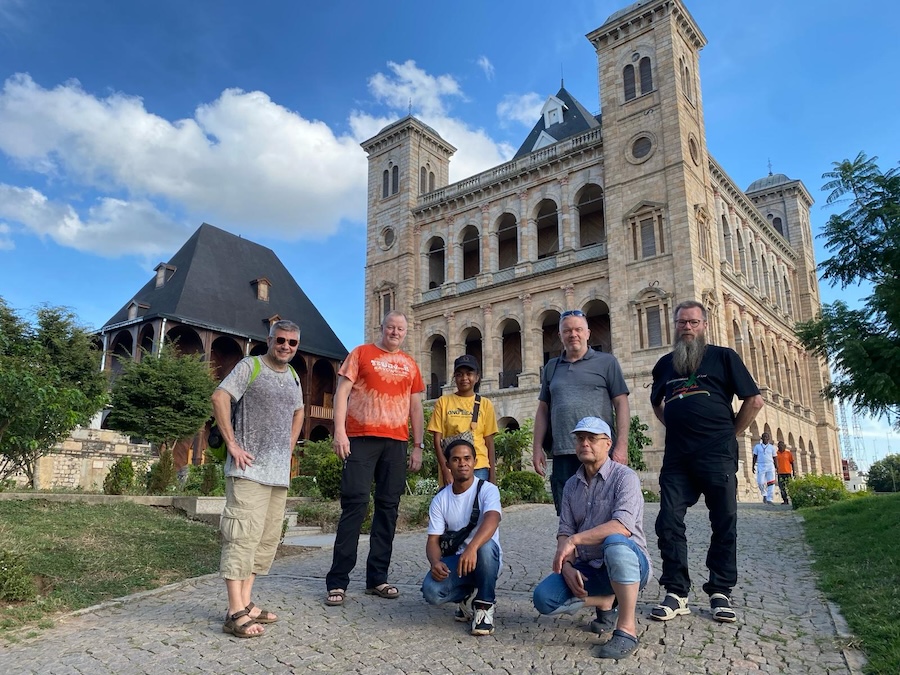
We now have two days to acclimatise and to get to know Antananarivo before we head south for our ride across the bottom half of the red island. A lot to see around Tana. Our choice was obviously some sightseeing (Thousand steps, Rova – the queen’s palace, city centre) and to see the lemurs at the Lemurs’ Park, where you can get close to different kinds of lemurs as well as chameleons, turtles and birds. Madagascar is home to many plants and animals found nowhere else on Earth.
BTW. I used to own a Citroen 2cv ages ago and now, riding a 2cv as a taxi in Antananarivo was a real treat.
The Plan
Our adventure ride starts from Antananarivo and it tours around the south, reaching the southern tip of Faux Cap, west Taolagnaro, ending in Ifaty on the east coast, from where we fly back to Tana.
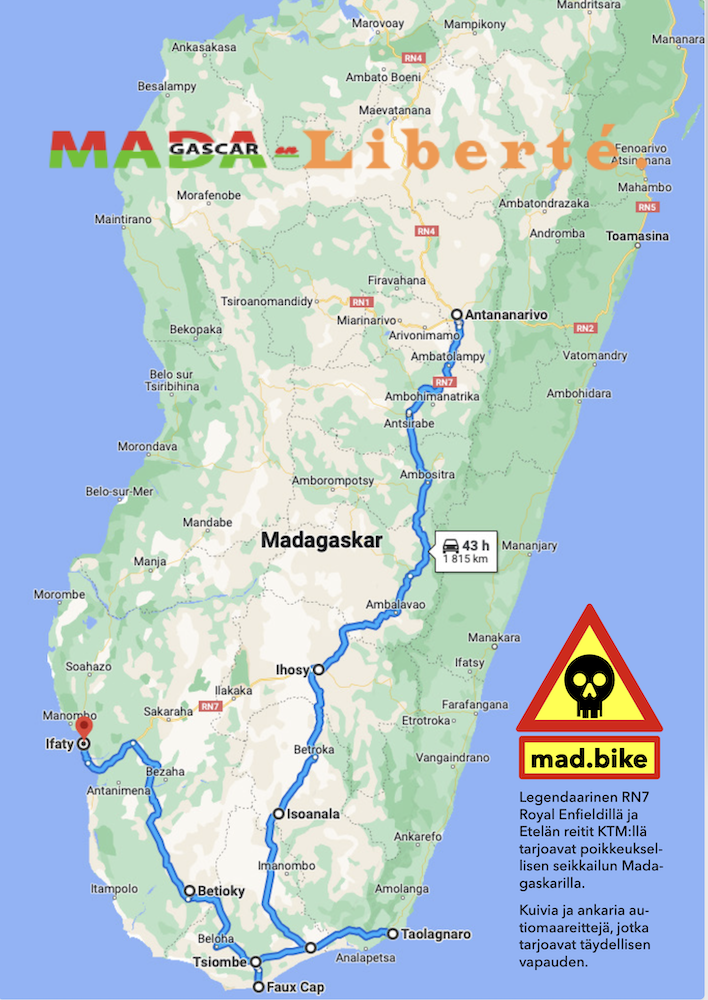 This adventure is organised by a good friend of mine, Severi at MAD-Bike, as have been many of my previous adventures. The team also consists of familiar riding buddies from several earlier exotic trips. Plus one new face.
Our bikes were from Jean at Mada-Liberté Off Road Motorcycle Tours, who also followed us on the road and provided the much-needed maintenance for the KTMs with his two mechanics. Mada-Liberté also provided a guide for us to run the errands re hotels, meals etc., a young lady called Fabula. They were all extremely nice and accommodating to our requests. Trust me, they had a lot on their plates – not because of us but with the bikes and hotels. The support team provided relatively carefree life for us.
Royal Enfields and KTMs
Once we get on the bikes, we start off on Royal Enfield Himalays for the first three days from Tana, where the roads are mostly sealed, before changing to KTM 350 / 450 and moving onto the proper off-road sections in the south.
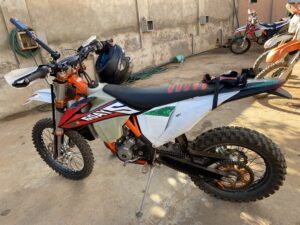
On the road we were on our own. The support team drove behind us in a pick-up truck and met us during breaks and brake downs. The pick-up also carried two spare bikes, which were later dearly needed. Our mechanic eventually used one to follow us ready for some bush mechanics and at the end, one bike acted as an organ donor for the other bikes.
On the road
First three days: Antananarivo – Antsirabe – Fianarantsoa – Ihosy

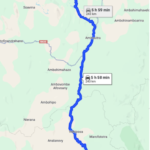
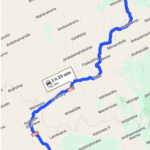
First on the Royal Enfield Himalayan. The bikes are regularly maintained but have seen a lot of miles and some hard life. My RE was wonky in all directions and had weldings to show the repairs. The front wheel, handlebar and lights pointed to different directions and it took some getting used to riding a wonky bike.
Not all wonkiness was my imagination and after the first day we had to change the rear wheel bearing. The mechanics did the work really fast in the morning and from there on, this bike was good and worked well.
The road heading out of Tana was challenging due to the number of potholes and erratic driving by everyone trying to avoid disappearing in one of the holes in the road. This is where motorbikes are considerable faster than cars.
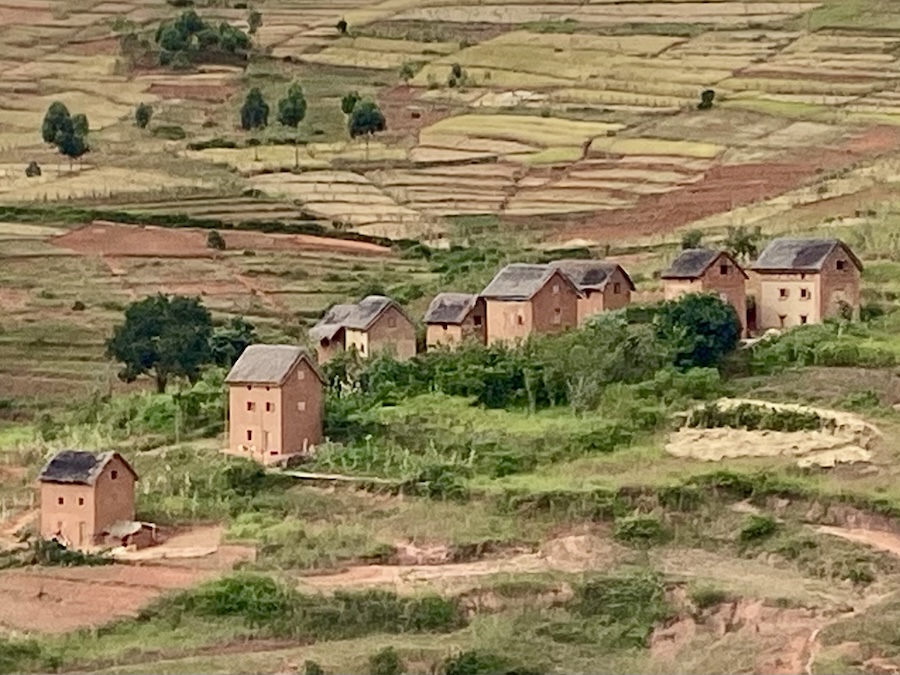
There really is not much traffic after leaving Tana but the road itself was winding and required the riders to stay alert. We were approaching Antsirabe and as it was April and the end of the rainy season, we had some rain as well.
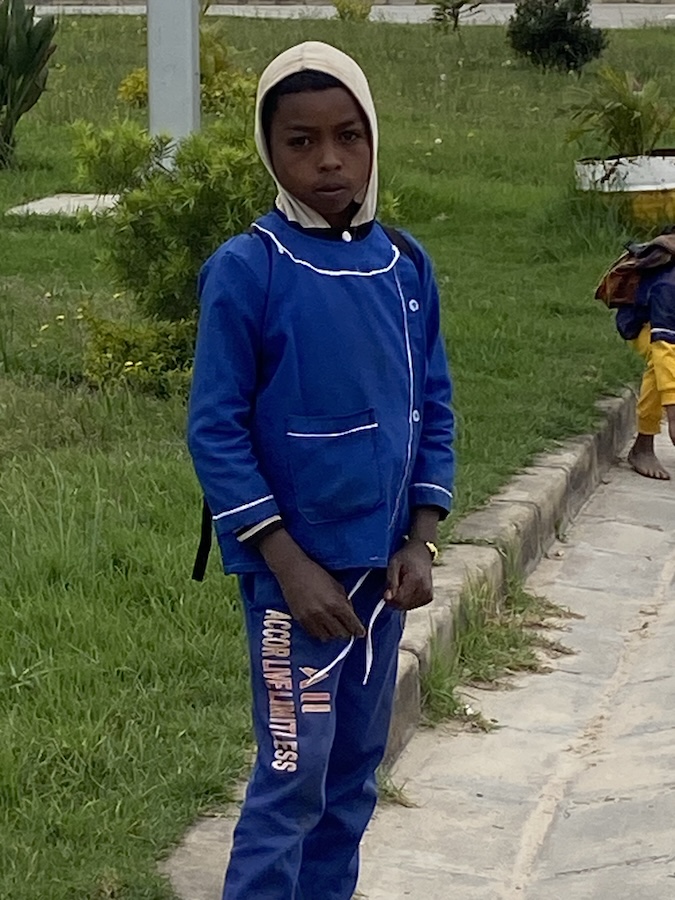
We always do our best to avoid riding in the dark after sunset. Also now, particularly since not all bikes had working headlights! After the rain slowing us down even further, we reached Antsirabe just before sunset.
The bikes had now been tested and we were all familiar with the bike each of us had.
It Rains in Rain Forest!
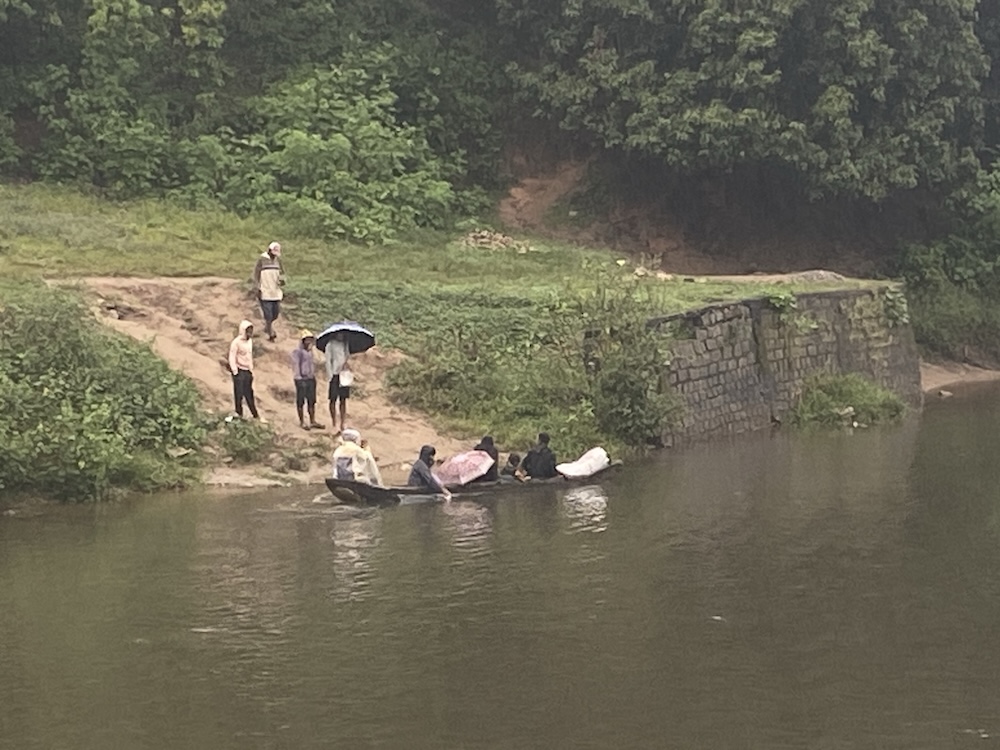
Today’s ride was some 250km, which does not seem much, but proved to be about as much as one could ride in a day. Road conditions vary hugely from pristine to completely gone.
Target for the day is Fianarantsoa in the Ranomafana national forest. Now we were heading into the Madagascar rainforest. The road leading on the Teletubby-hills soon dived into the jungle with lush green forest around us. After the rainy season the roads have mud, clay and vegetation and are very slippery. Now the bristle also turned into proper rain.
The rain lasted all evening and the weather was slightly on the cooler side. A few THBs, Three-Horse-Beers, dinner and we were ready for bed. Tomorrow we will explore the forest itself.
It was still raining in the morning when we packed ourselves into the pick-up for a short ride to the park entrance. It turned out that the car has also seen its better days and the windows were quickly in thick fog – a/c did not work. This did not seem to bother our happy driver and we were just plain scared, tightly packed in the car. As true gentlemen, we let the ladies ride outside on the back…
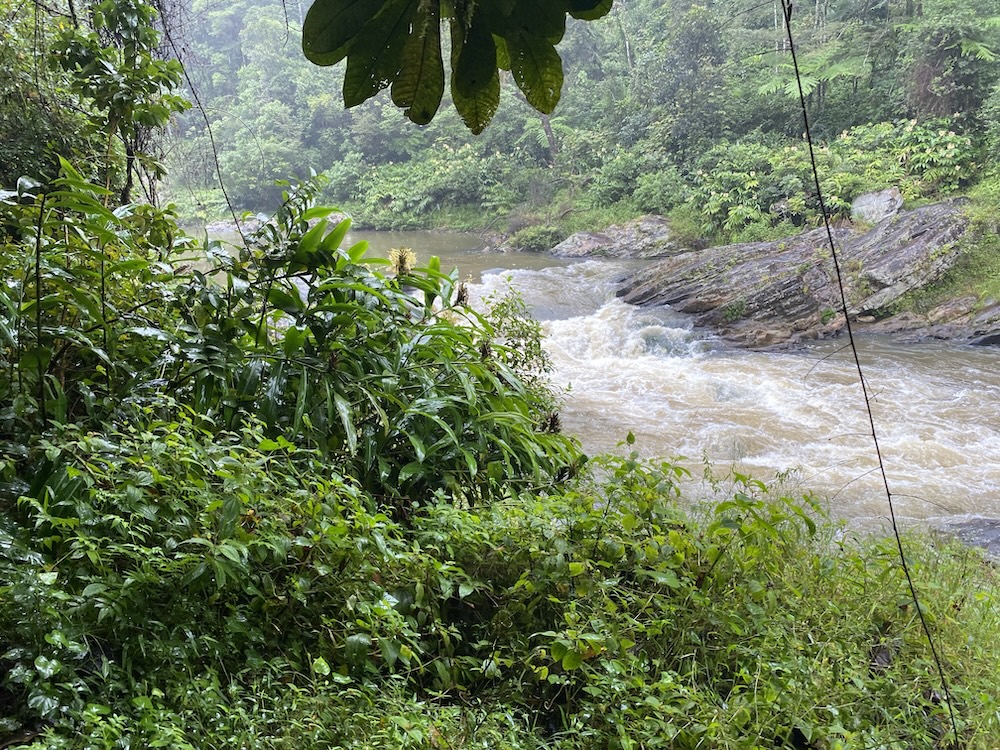
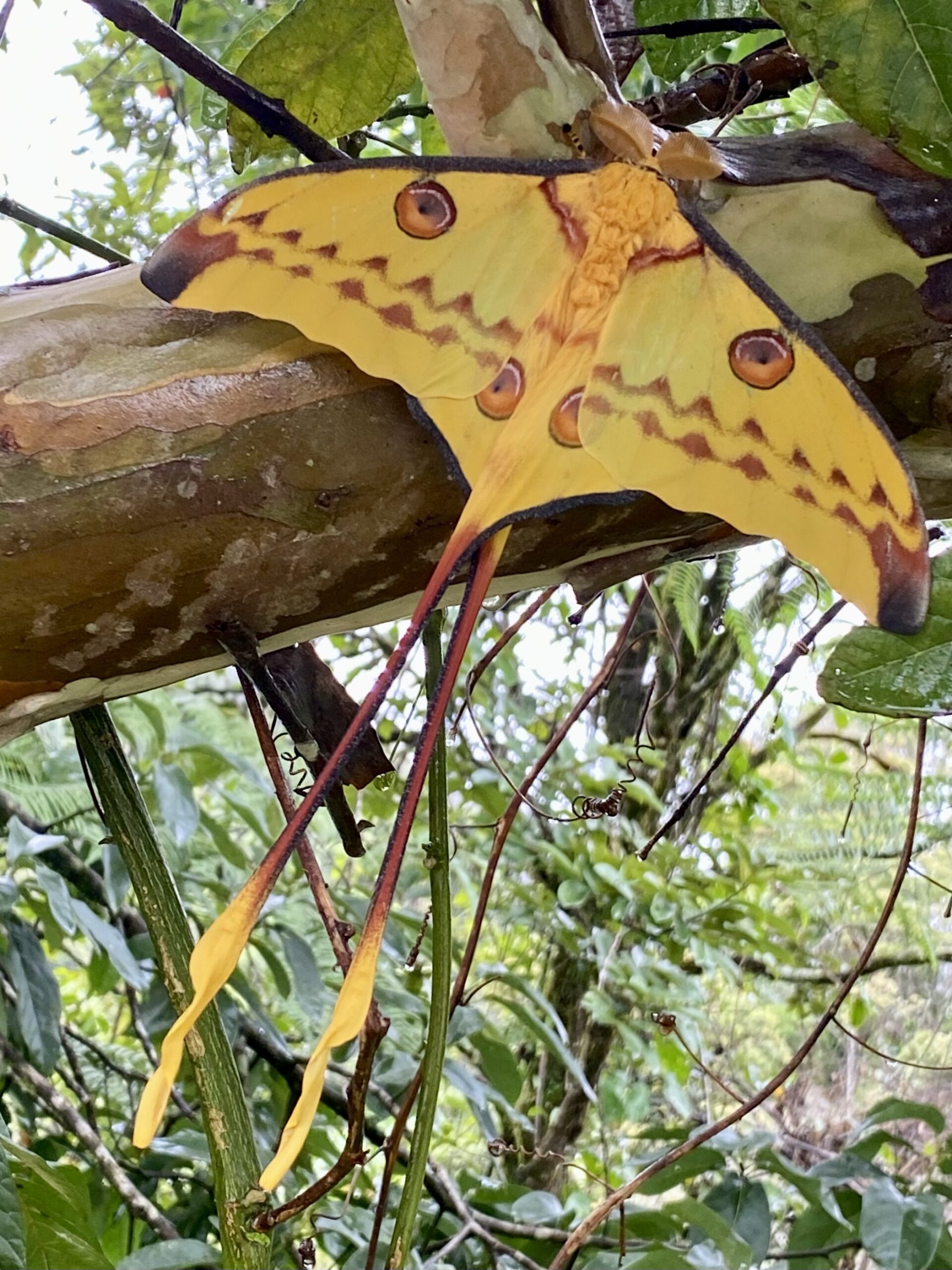
The park is not simple to enter. Again, meticulous paperwork was done and checked at several checkpoints before you get to walk in the forest. Allegedly there were plenty of animals, some of which we saw the back of, but the rain was not ideal for our walk. Luckily(?) we were slightly pressed with time and needed to get back on the road, so our visit was cut short. No-one complained!
Best sights were anyway outside the park – a python snake in the bush and a beautiful large yellow butterfly (and a leech on Severi’s neck). The trip to the park was not time wasted!
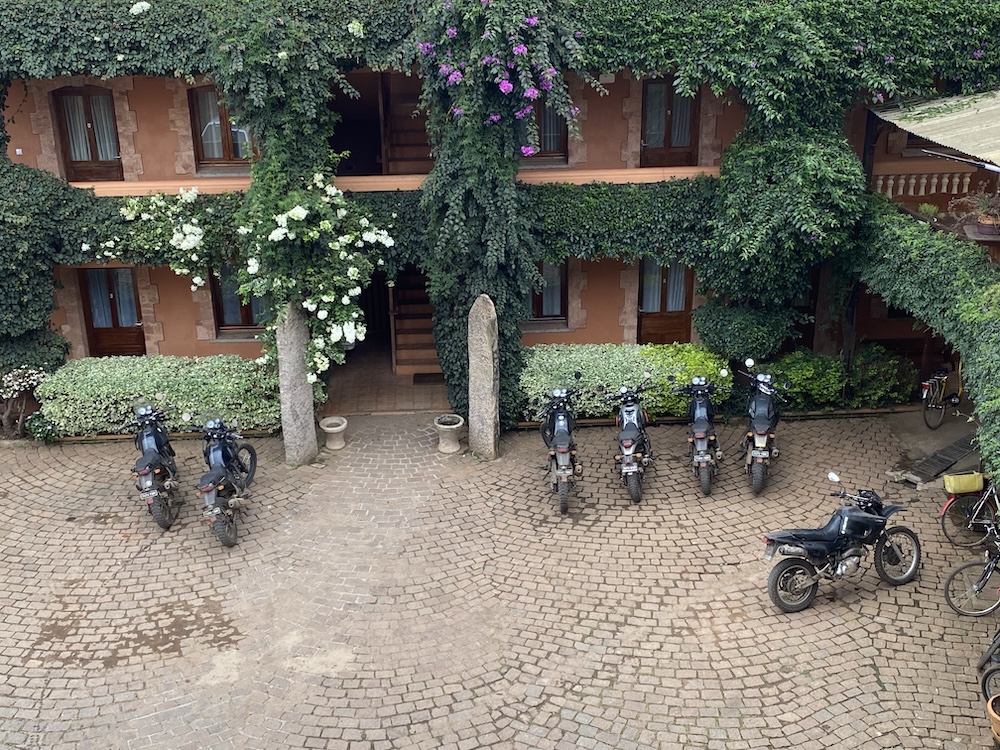
Soon the sky was clearing and we got ready to get back on the bikes. Our clothes were still wet but the weather was promisingly warm and the sun was coming out. Some miles along the rainforest roads and up to reach a higher altitude plain.
And something magical happened…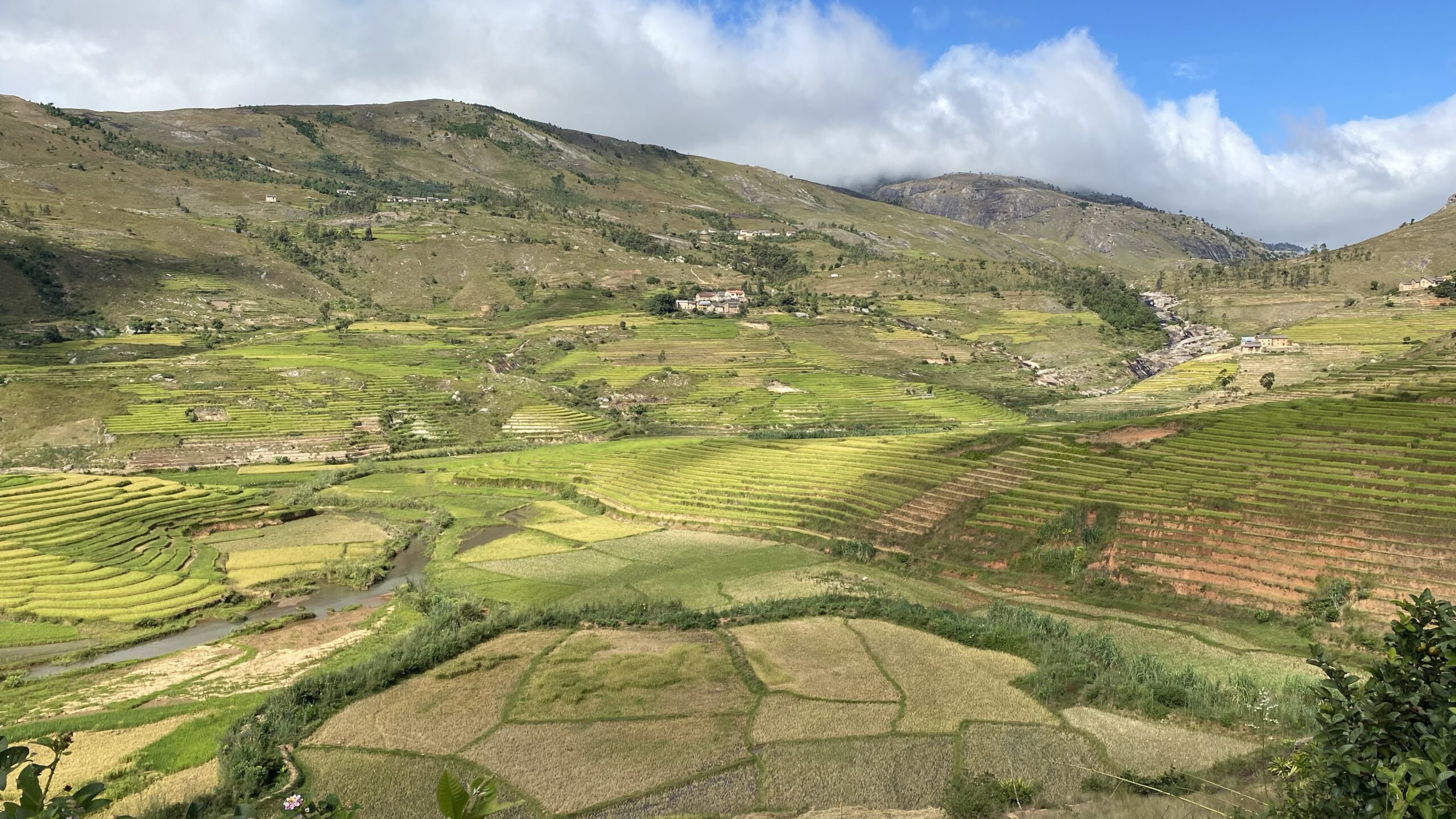
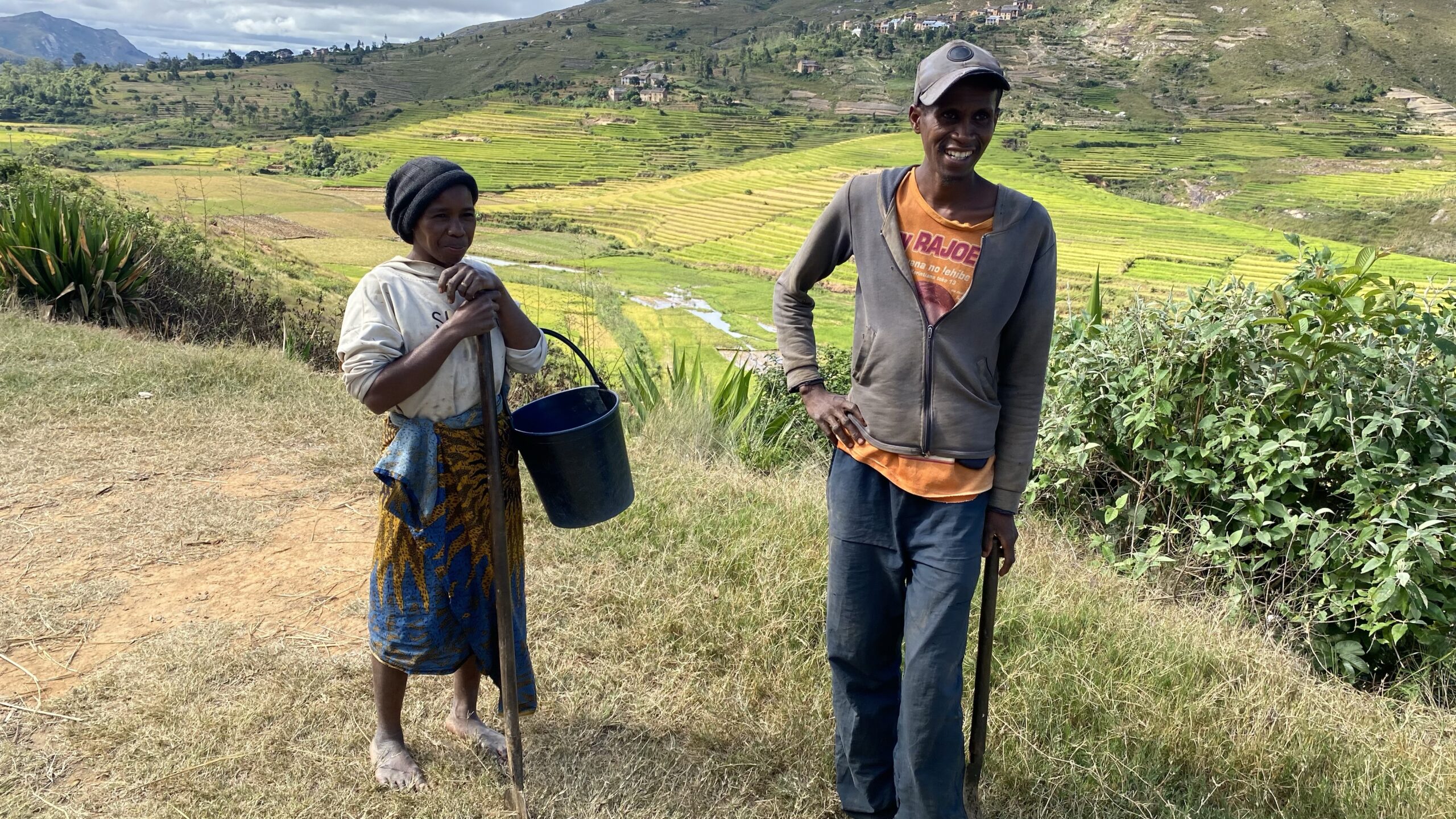

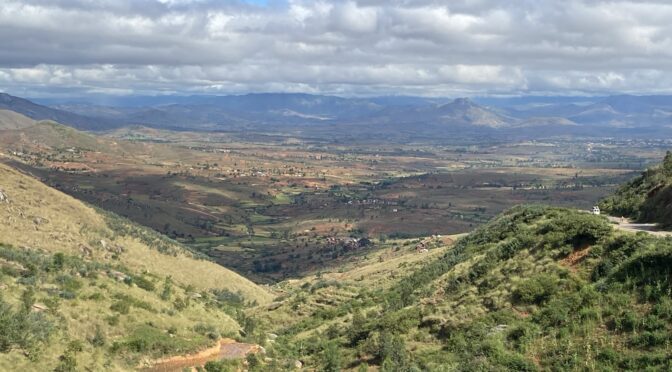
As if by magic, suddenly the rainforest was behind us, as was forestation of any kind. The view was magnificent with mountain ranges by our side and in the distance, savannah or prairie as far as eyes could see. The road was suddenly very good, ideal for faster riding. Despite the good road, there was virtually zero traffic and no people in sight. Nothing had prepared us for this sudden change in the environment. The incredible high plane took us all by surprise.
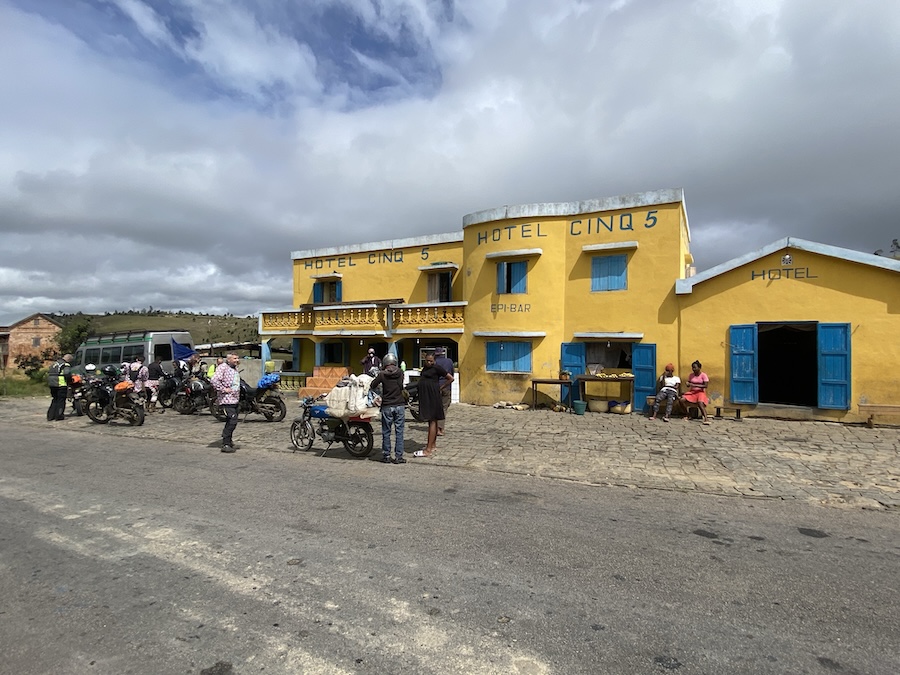
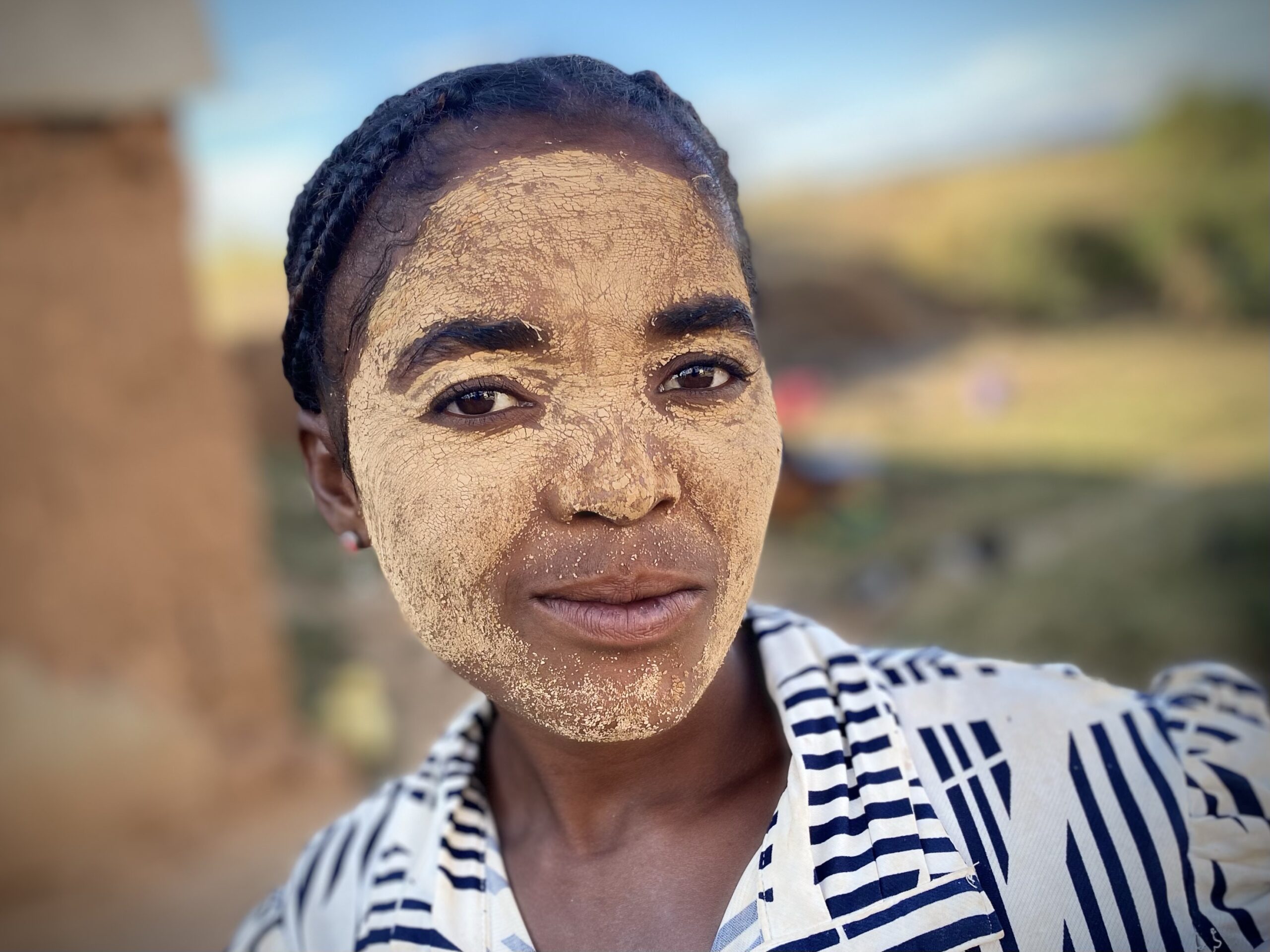
One thing to note is that Madagascar is relatively clean of the usual garbage that litters most Asian and African villages. No plastic bottles or bags flying around. Apparently there is a system for collecting the bottles and a lot of other litter is re-used to make something useful – even souvenirs for tourists.
Start of Off-Road
Below each off-road day’s rides as per plan:
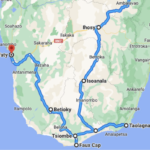
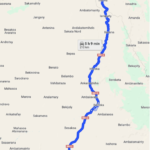
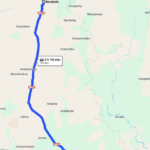
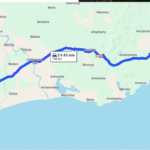

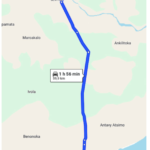
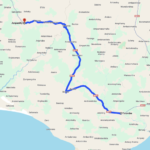
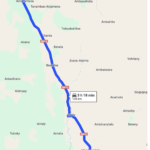
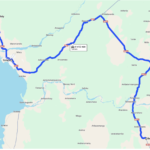
Ihosy. New bikes for off-road and heading for Isoanala
Today’s ride from the rainforest to Ihosy completely change the scenery and the environment for us. Now it was also the time to swap our bikes from REs to KTMs. The proper off-road section was about to start. The different nature of the ride in the south was evident not only from the different bikes and the scenery but also from the quality of our accommodation. It was still not as basic as some would be during the next few days. But it was all fine for us and in keeping with what one would expect when riding in remote locations.
Once on the road, we headed again on the higher plains and the magnificent view opened up again. The roads were getting gradually more challenging.
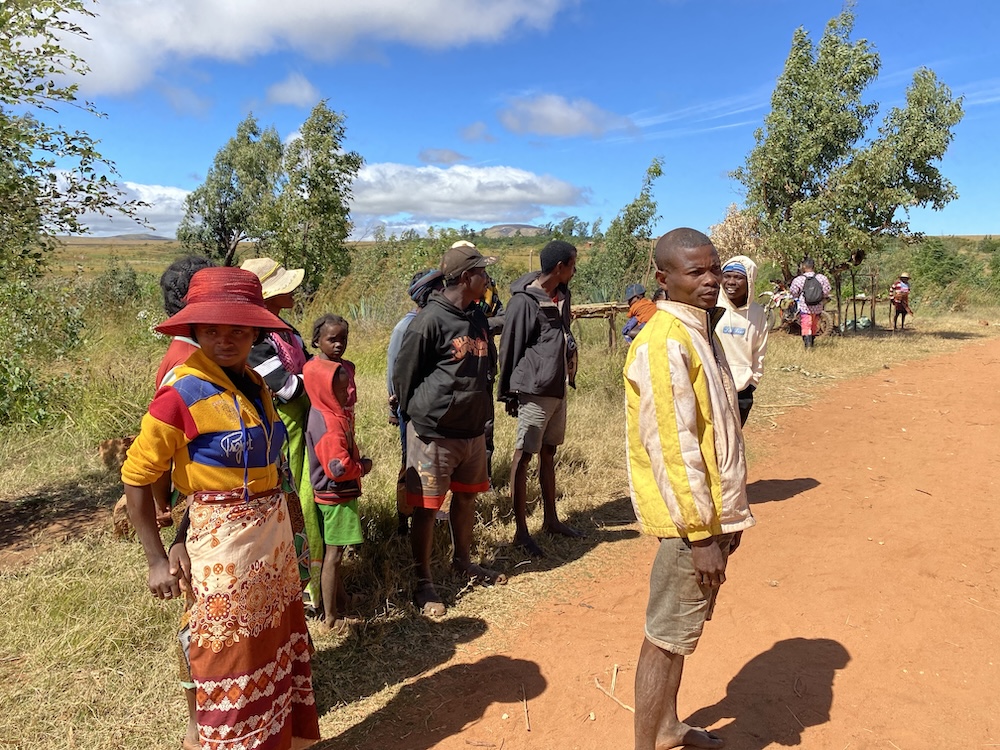
Here off-road does not always mean that we would not be riding the main roads, but the roads really are non-existent in places or can be just sand and rocks or whatever the natural terrain might be. Maps are also “thereabouts” as the roads may diverge to several directions based on the hazards the nature may throw – mainly caused by rain – only to come together as one track further down the road.
Usually we would navigate to the “general direction” which was close enough and eventually took us to where we wanted to go. 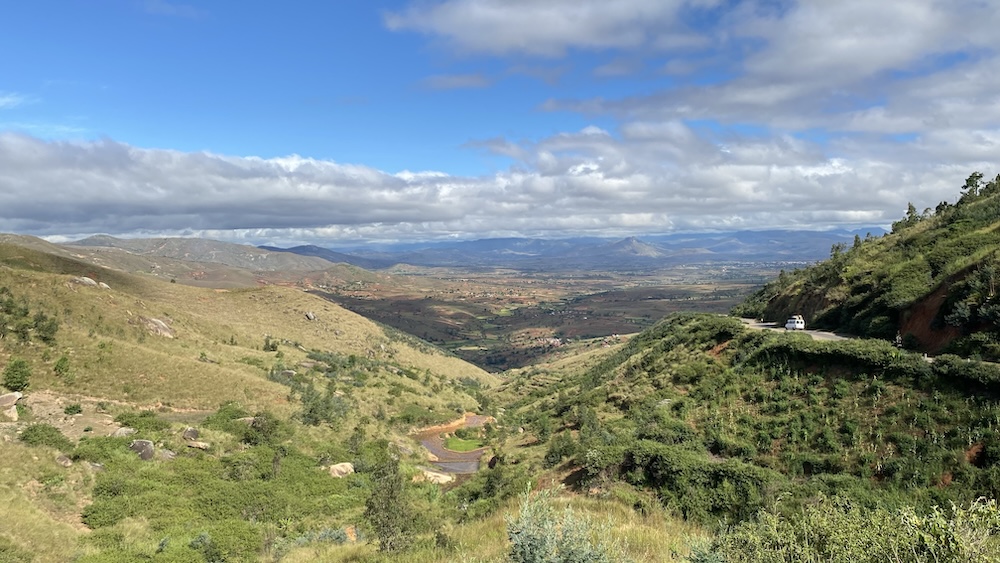
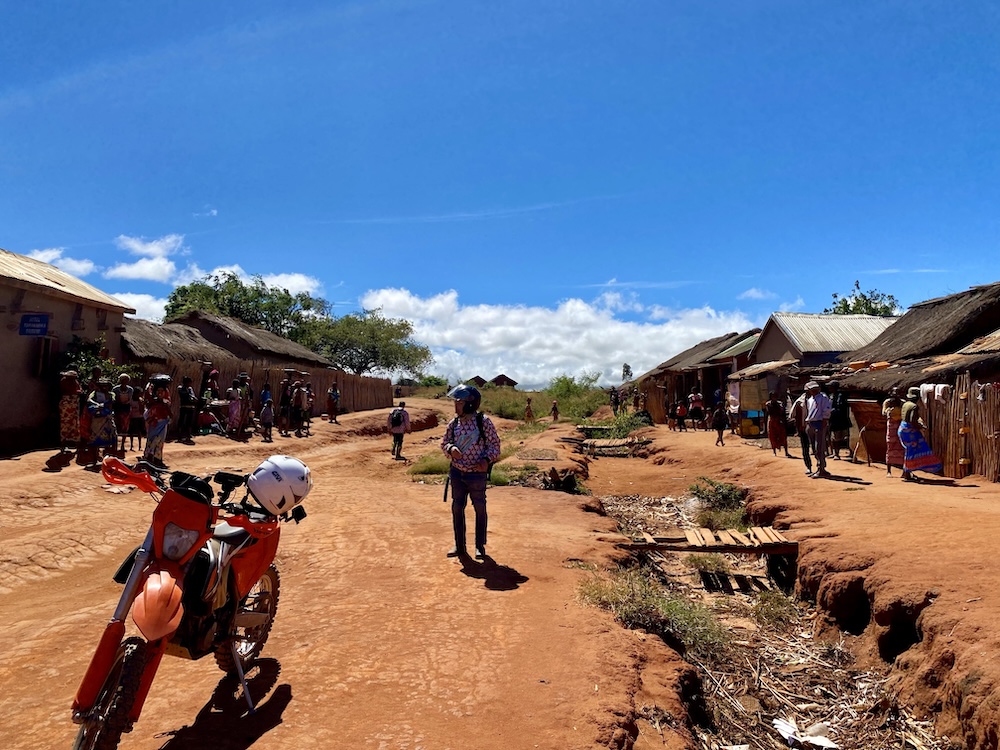
As the roads became more demanding, they required better concentration and obviously, together with the increasing temperature, wore out the riders much faster. Everyone adapted their riding styles and we made adjustments to the distances we would ride before each break. No one said anything but these adjustments just naturally happened.
We also got to know our bikes a bit better and soon realised that they needed a lot of attention from the mechanics. On the day we only had one punctured tire but the bikes started taking turns in acting up. Mechanics came last in the pick-up truck and picked up causalities along the road, fixing the bike or sometimes changing it altogether.
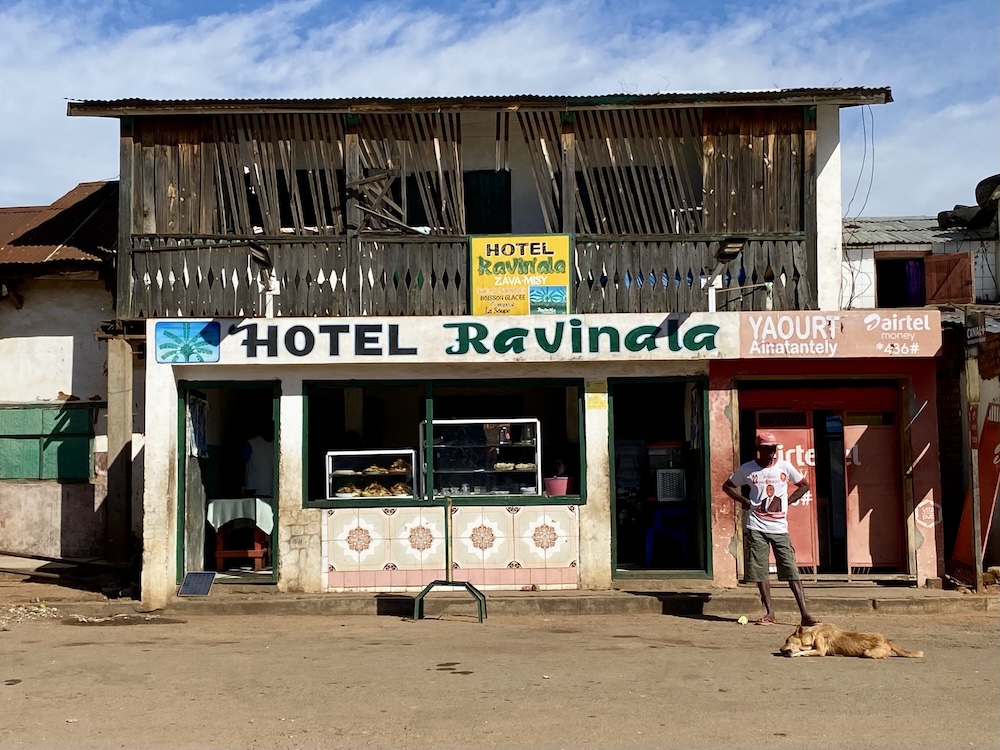
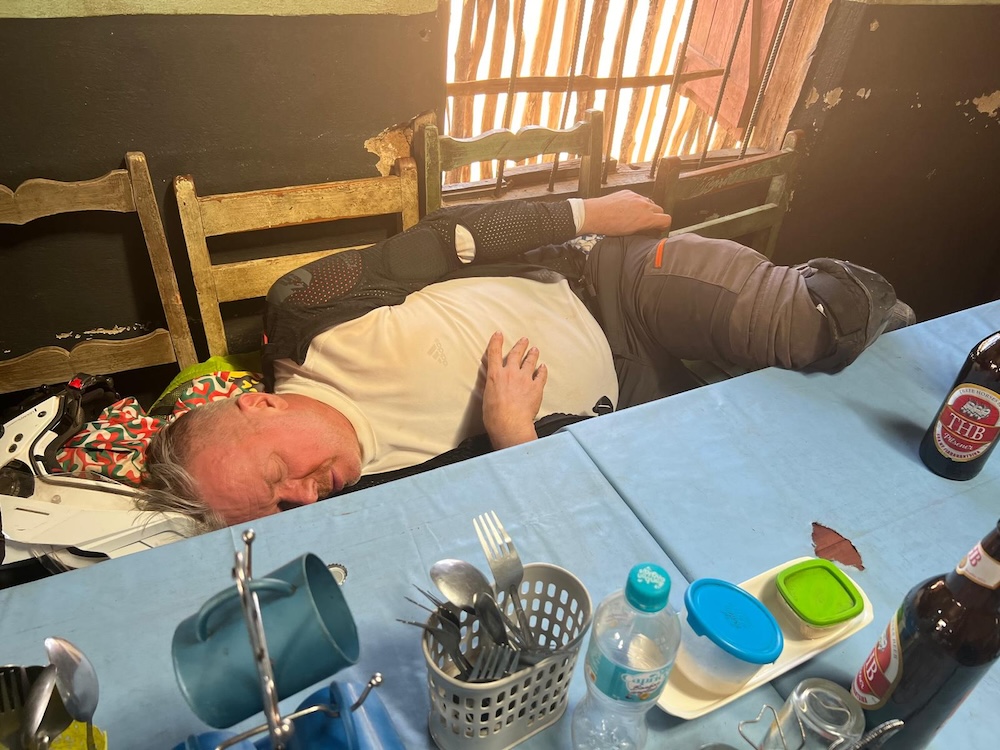
Due to the issues with the bikes, our progress was now slower and caused us to find a distress accommodation for the night. The support team was on the ball and found us a hotel to stay. The stop also allowed the mechanics a bit more time to work on the stricken bikes.
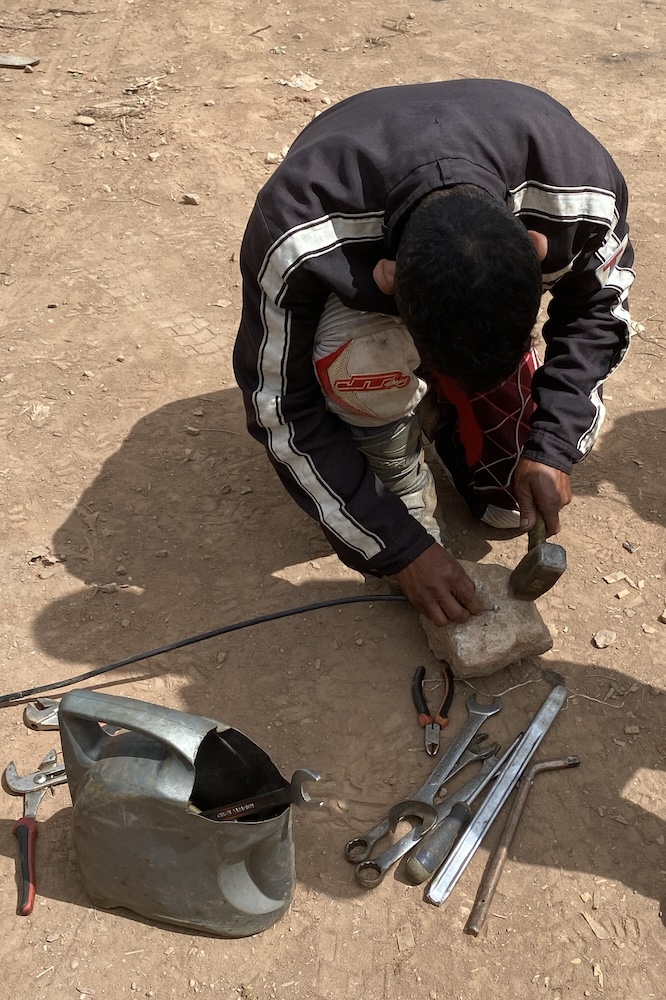
They started working early at first light, as it was more difficult to work tired and in torchlight at night. Little did we know how the bikes would be getting progressively more troublesome as the ride continued.
Our pick-up carried a spare supply of petrol for us. The constant bush mechanics sessions meant that the pick-up was falling quite far behind the lead riders. Waiting for the pick-up provided breaks for lunch or drinks – but only if we were lucky enough to reach a village for the break.
Sometimes another broken down bike meant that we were simply stuck on the roadside. Which again meant that reaching the goal for the day was again challenging before the dark.
A Bridge too Narrow to Cross
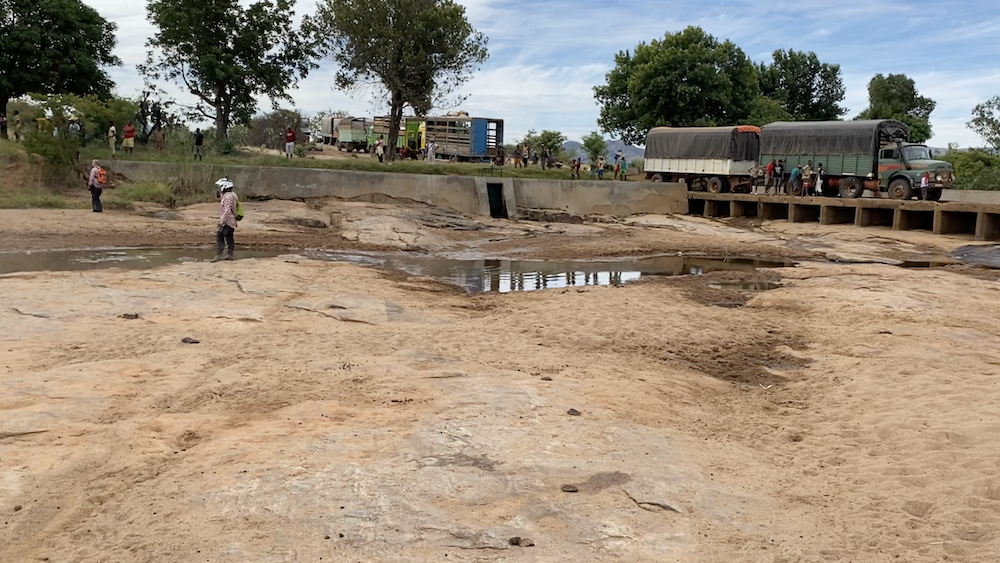
The terrain is now very dry but still there are bridges over gorges and rivers carved by the water during the rainy season. What are the chances that once you find a bridge over a river, a lorry has broken down on it and the bridge is too narrow to allow passing the lorry on either side.
While the river in dry enough to allow crossing it from a shallow point, there is an irrigation aqueduct alongside the river that prevents reaching the actual river. Luckily there are some locks in the aqueduct which have narrow footbridges across for hand-operating the locks. These bridges are perhaps 50 to 70 cm wide and we need to cross two of them to reach the river.
The footbridges are in somewhat difficult terrain and also too near to each other for a motorbike to make a 90 degree turn from one bridge to another. So it is across one, then a sharp loop to the opposite direction to re-orientate the bike to be able to cross the second, narrower footbridge. Then some 20 meters on a ridge along a narrow path by the aqueduct before riding down to the dried-up riverbed.
Eventually we all made it across fine, but it took a while to see that the lorry was actually not going to move in a while and to find the possible way across the aqueduct and river. See the video below:
Time spent on this exercise and fixing the constantly breaking KTMs meant that we were pressed with time to reach our destination for the day during daylight hours. Riding in the dark is not recommendable here under any circumstances and with bikes missing any lights, even less so. Most of us reached the destination just at sunset.
Less is less in accommodation
The mechanic on the spare bike usually rode as the last bike after saving the final stricken bike for the day, or more frequently, the support truck was coming last. Therefore we often had no idea where the hotel would be before either arrived. Although the days were hot, small back bags were becoming popular with some spare clothing to change into shorts and lighter shoes on arrival to the day’s destination.
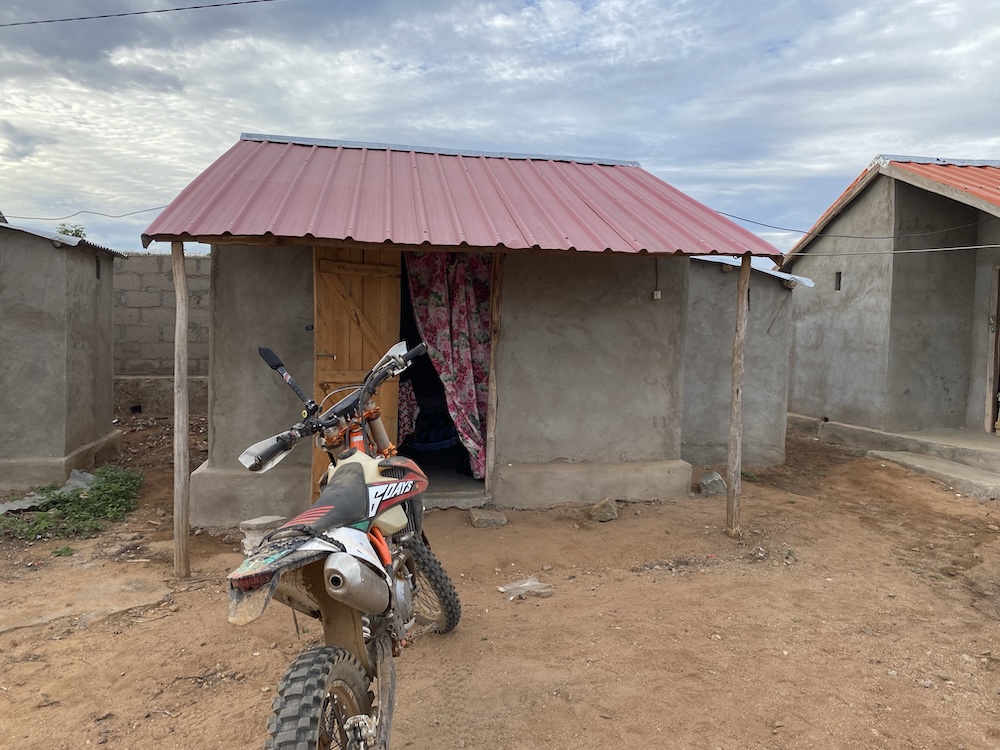
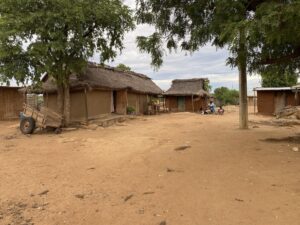
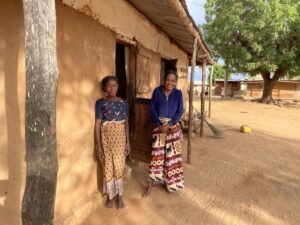
Located somewhere around Ambovombe, calling our accommodation a “hotel” might in this case again be a bit too grandioso. In the poor south the hotels are extremely basic. Simply a hut with some basics; often but not always a toilet in one corner (no door as it’s one room), a bucket with water to flush the toilet (no or occasional running water when electricity) and a bucket of water to wash oneself. Electricity supply is erratic and a torch is mandatory.
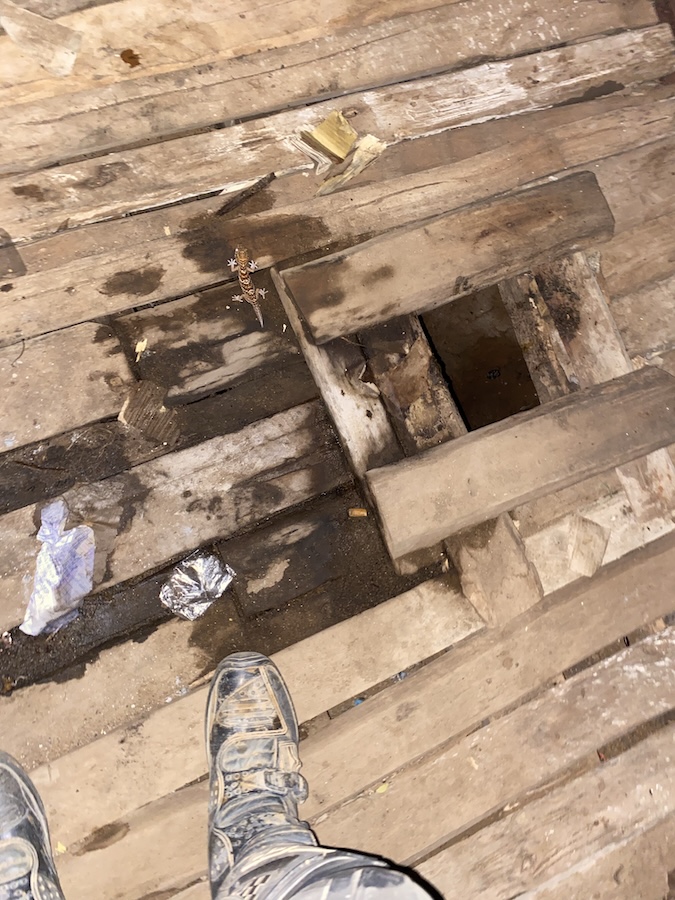
Although we stayed in single rooms, one was certainly not alone. I carry a silk sleeping bag, impregnated with insect repellent to keep the uninvited partners away and it is also cool enough. That plus a mosquito net usually found even in the most basic hotels.
Learning the Ropes
Madagscar is in a parallel universe in many ways – or at least in Malagasy universe. Everything was for us either new, unimaginable or somehow off the normal track of things.
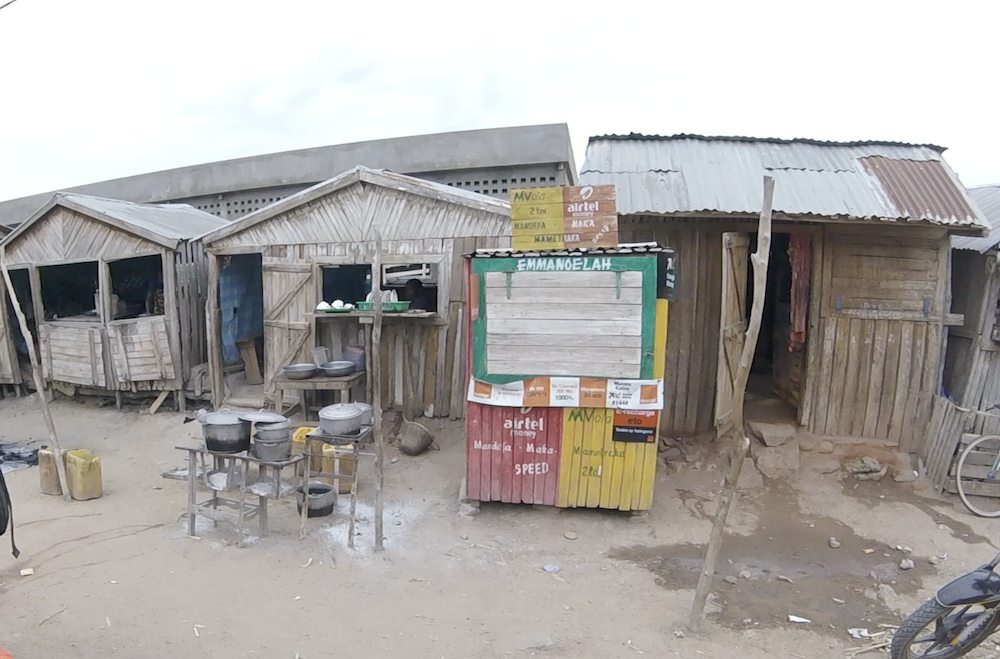
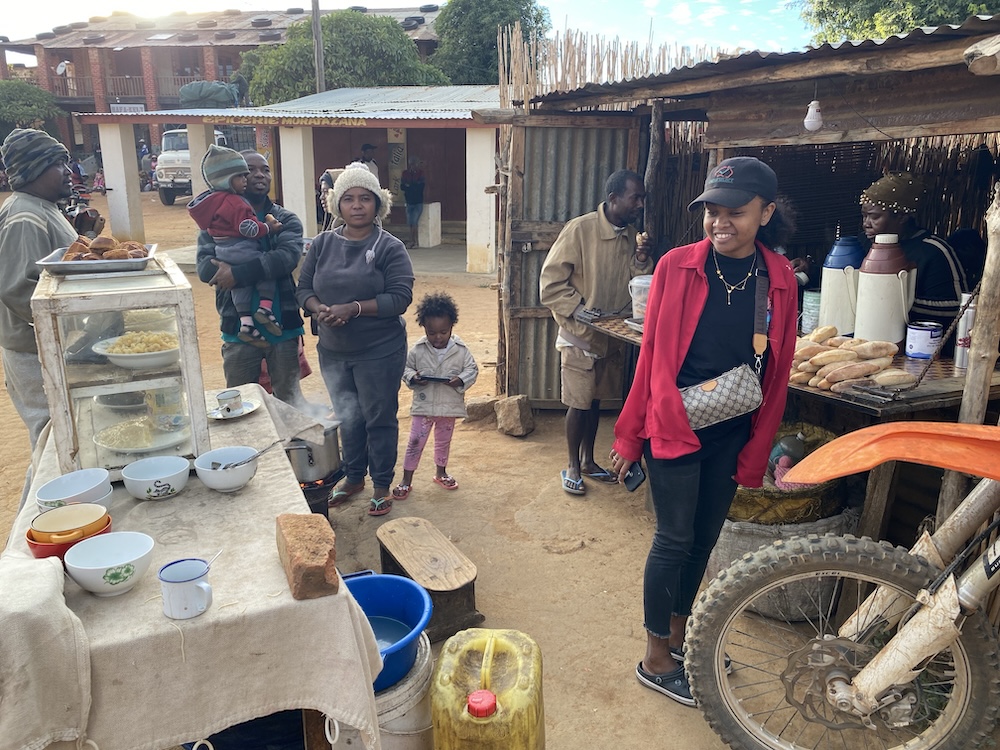
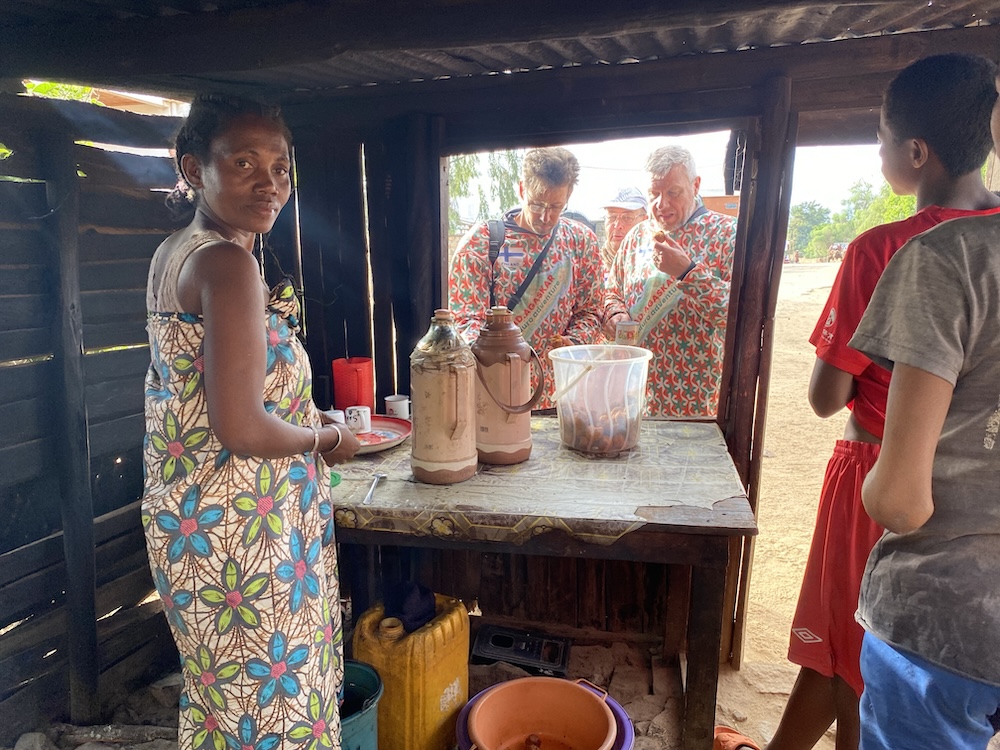
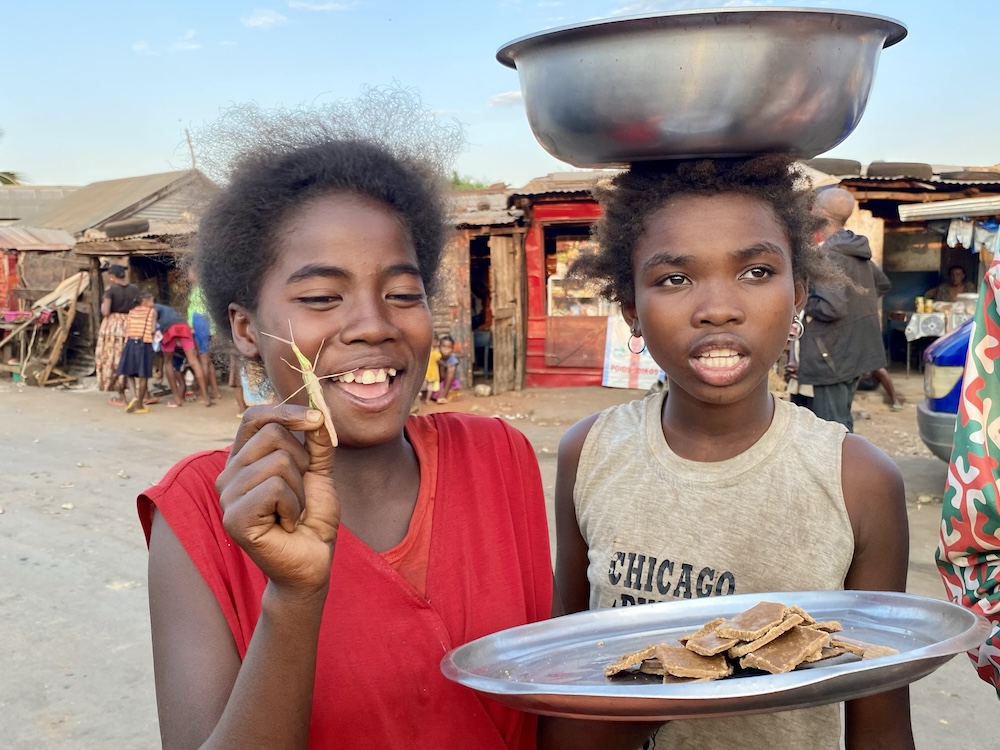
Hotels in rural towns do not offer any breakfast and we usually walked to one of the village main roads, which was always nice. These had several places offering deep fried dough balls or sometimes somos. We even managed to get some fried eggs after a long explanation. Eggs are sold everywhere in the morning, but these were raw eggs. It is hard to understand how difficult it was for the locals to understand we wanted fried or boiled eggs! I guess eggs are primarily used for baking, just a guess.
Stricken bikes dictate the pace
Additional spice was the now constantly breaking bikes, early morning fixes, followed by mid-morning fixes, noon-fixes, early afternoon fixes and afternoon fixes of the bikes, or changing the bike altogether. On the road the group would scatter based on who’s bike was working. Once you got the bike started, you did not look back but continued for as long as it would run. Basically, from five to forty km. Others would catch up. Some bikes worked better than others, obviously. I was lucky, I believe my bike was the only bike that worked through the entire ride.
As I mentioned earlier, the bikes were being fixed often in the morning when there was daylight. This meant that our departure was sometimes delayed by hours. It did not seem to bother our hosts who seemingly had all the time in the world. So much so that we were expected to wait for the support truck carrying our spare fuel at a petrol station! Needless to say we filled the tanks from the petrol station pumps and continued our ride. There are better places to spend a few hours in Madagascar than a petrol station. No matter how new and nice it was!
The bush is your friend
Thinking of the new service station reminded me about some basic services one may need. The bush is your friend. New kind of food, drink and very different hygiene standards combined with coping with the hot weather caused some sudden moves to be made. Sometimes it was impossible to avoid being laughed at by the locals, suddenly emerging from the bushes at the critical moment.
Sand, rocks and dust with an occasional police
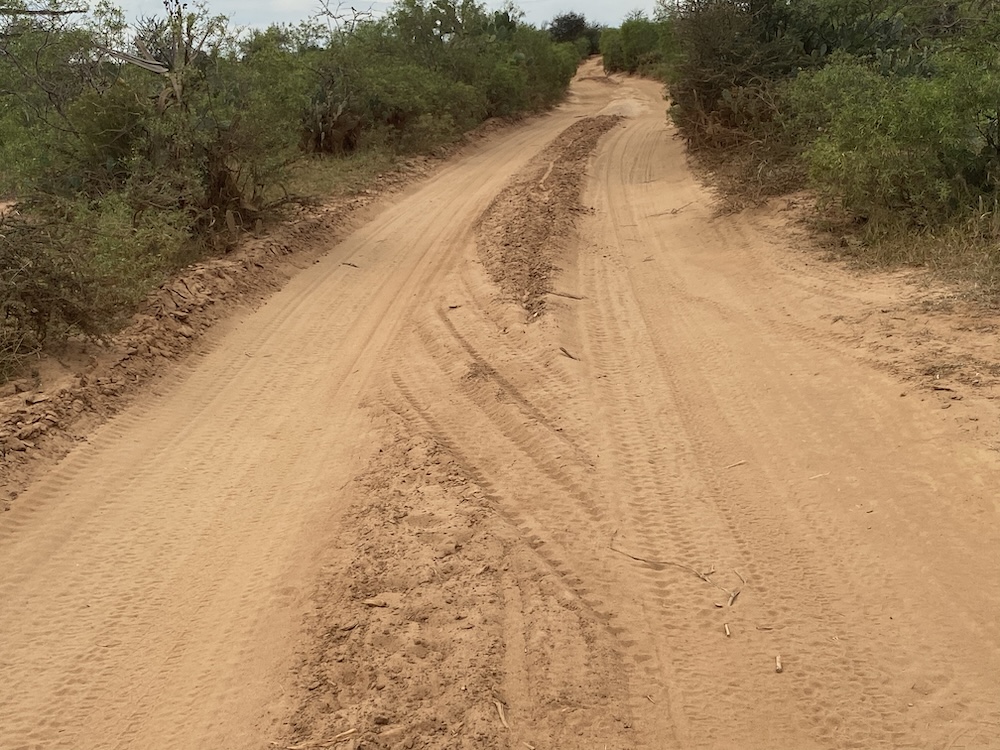
Roads were mainly just deep light sand with occasional rocky stretches. This was quite demanding and tiring for the riders, although we were all by now getting on the expert level in sand riding.
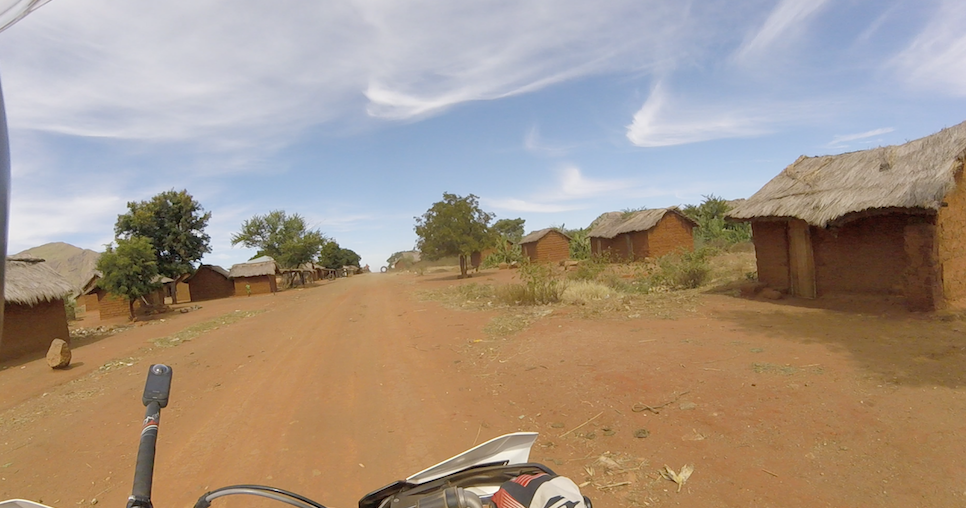
Police usually did not bother for us. There are many police checkpoints along the roads. Why, beats me. The police did not seem to have anything to do and usually they did not bother for us. Only a few exceptions when one of us or all needed to show passports. Jean, who travels here often with his clients, always spent time with the police for a chat to ensure future trouble-free travel.
About Cash and Credit Cards
Everywhere in Madagascar you need cash, often credit cards are not accepted and you may not be able to use your card even in Antananarivo, let alone smaller villages. Should you venture this way, make sure you carry some extra cash. While there are ATMs in bigger towns, they may not be operating or simply will not have the connections to your bank. If you are lucky, you may get money.
I could not figure any logic with the ATMs and perhaps it was just a question of bytes finding their way!?! As a practical joke, the dispenser would sometimes make noises as if it was connecting somewhere and eventually counting your bills but at the end said NO on the screen, only with more words.
Indian Ocean and Fort Dauphin (Taolagnaro)
Before reaching the beautiful seaside town of Fort Dauphin, the road also got better and there was a new level of anticipation of reaching the ocean.
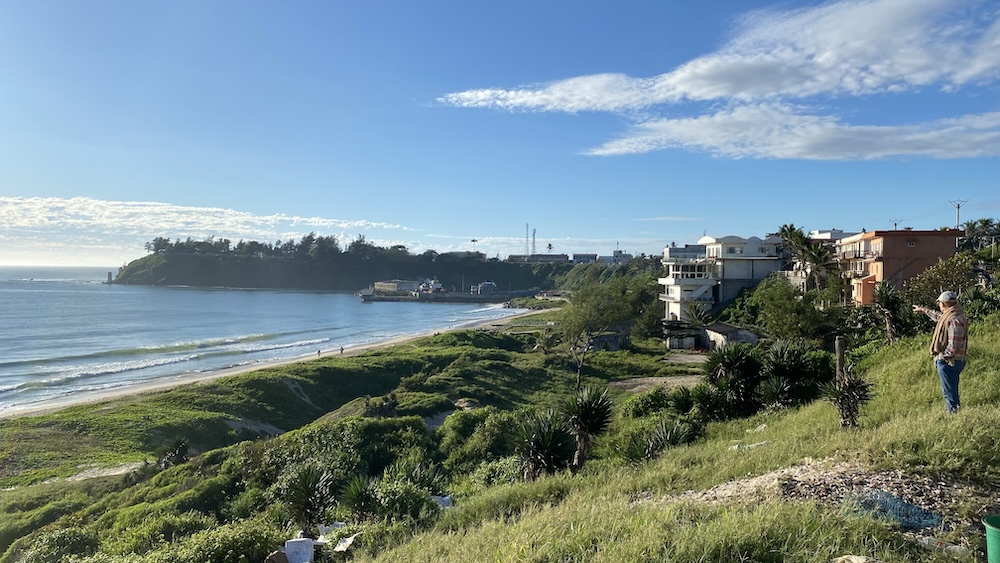
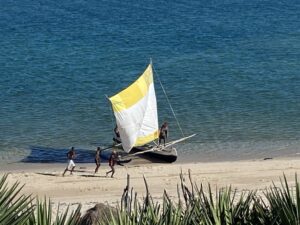
Indian Ocean looked surreal turquoise behind the palm trees. The view from our hotel balcony was magnificent after the dusty ride here. Local fishing boats with blue sails were coming ashore along the coast. The boats were sort of catamarans with outriggers as a narrow balancing hull on one side. As soon as one boat touches land, it is whisked to the beach on dry land and fish and seafood are sold.
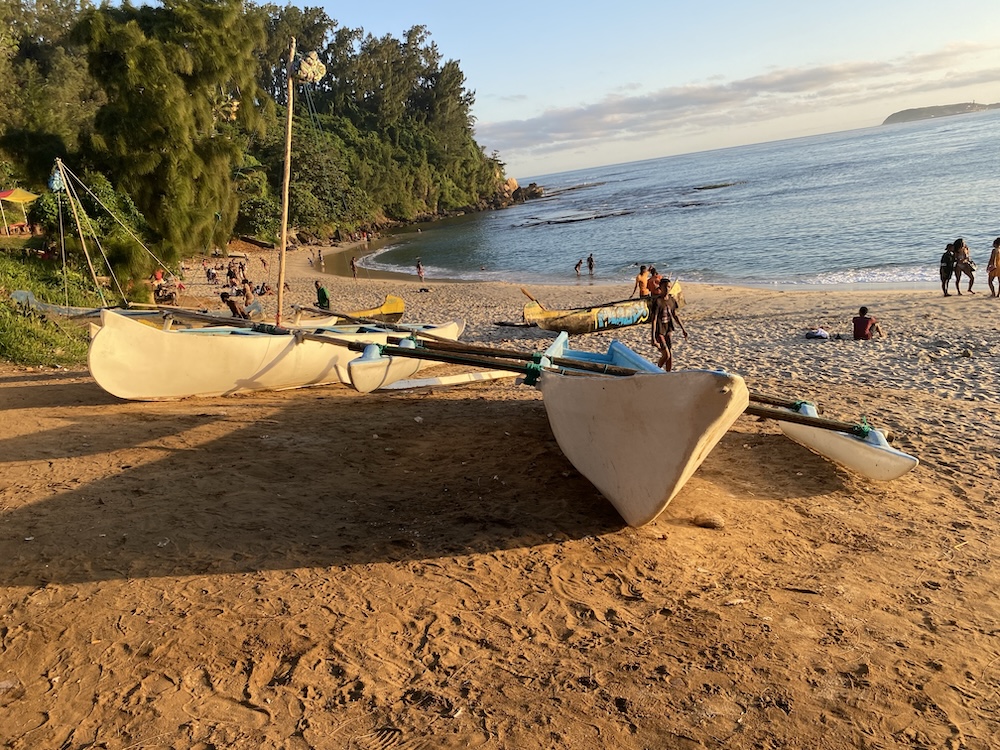
Here we had a leisurely day off the bikes walking along the beaches and finding a few watering holes in the form of beach restaurants and as this is a popular surfing area, surfer shacks. The most popular beach appeared to be the Lebanon or Libanona beach, which also had the most modern restaurant. Even dancing!
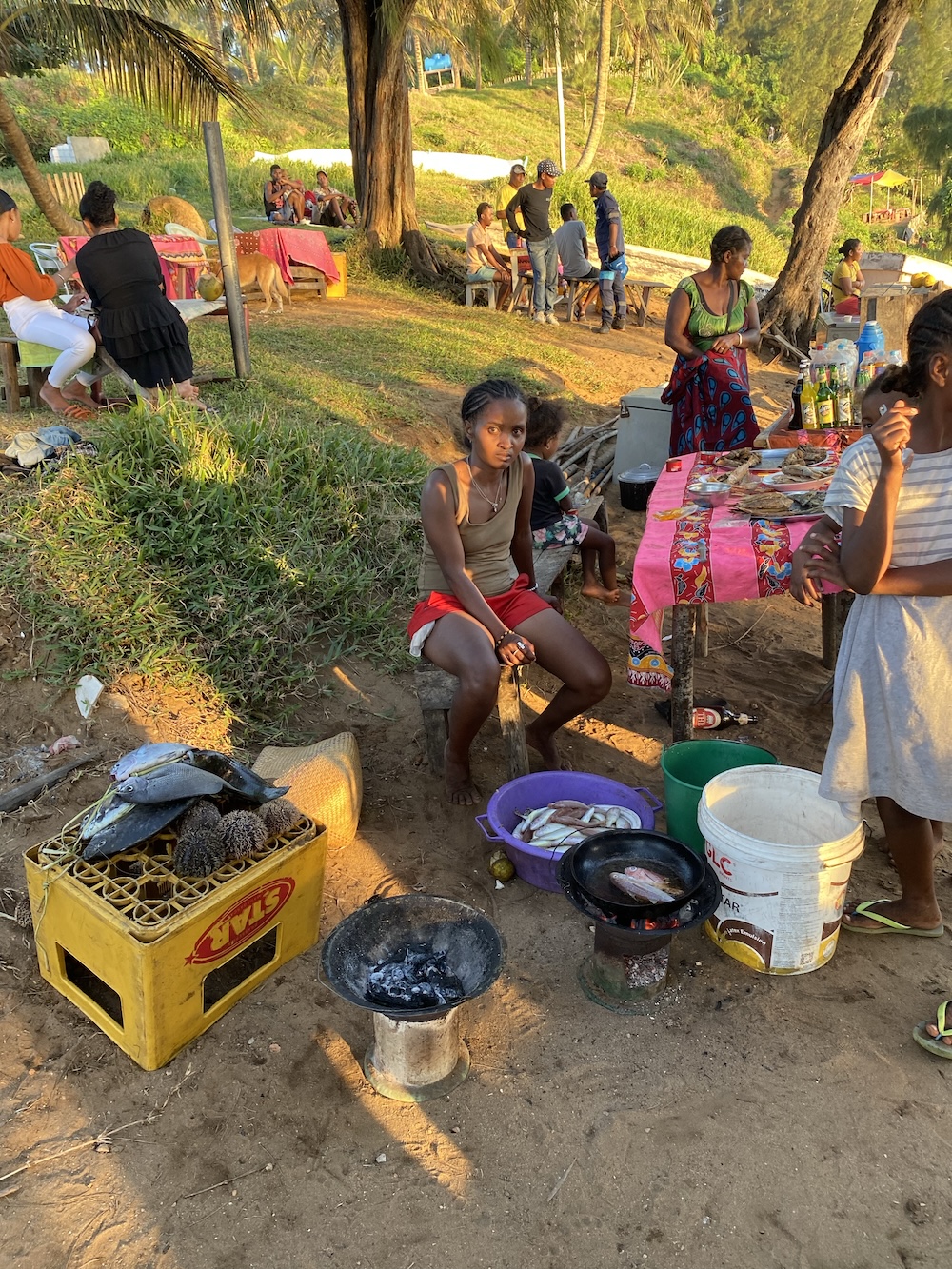
I have no idea how tourists get here, then again I did not see many. If any, come to think of it. The land route is quite a challenge should you come on a bush taxi.
Fort Dauphin is however a proper town with tuk-tuks providing public transportation. There are also some rather comfortable hotels and even some shops for tourists. But we did not need shops, everything was available right on the beach – beer and seafood.
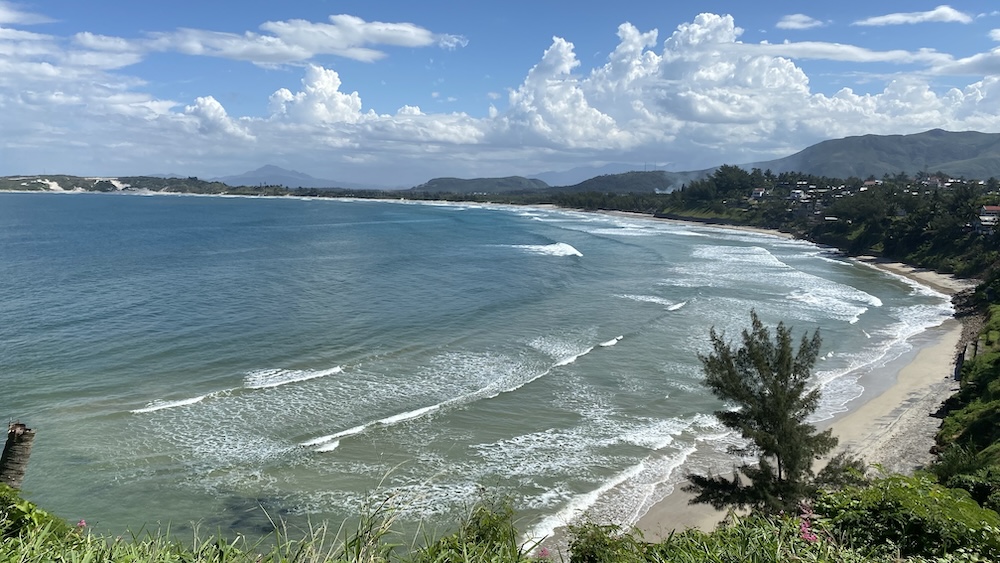
Tsiombe and 22 Faux Cap
Tsiombe is a small town and some 180 km west from Fort Dauphin, some 35 km inland from the ocean. Basically surrounded by dry sand with a river through the town. I did not know what to make of it, but it was now just after the rainy season and the wide river was completely dry.
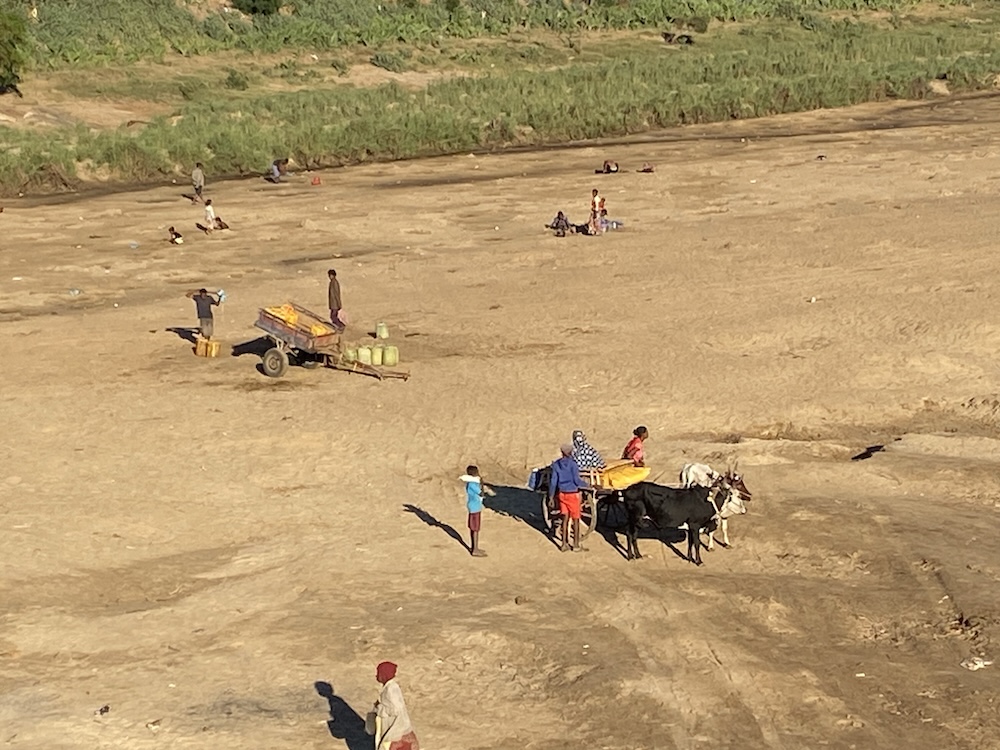
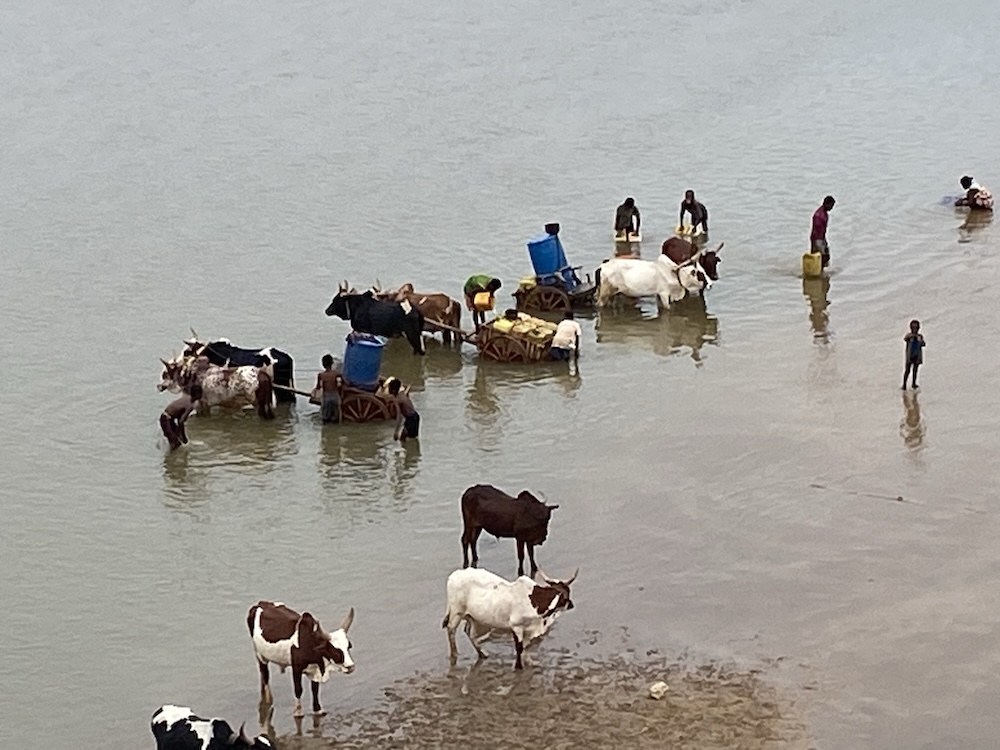
While the riverbed was dry, water was very close to the surface and one only needed a small shovel to dig a puddle to get water. Locals used buckets on oxcarts to carry water to the town from these water holes. Some used the water holes for washing themselves right there, without the need to cart the water anywhere.
Men and women alike were not too shy about flashing when washing in the puddles on the riverbed. People around seemed very discreet and provided them privacy by looking the other way. Clothes, bikes etc were also washed in these puddles. Life is quite basic here.
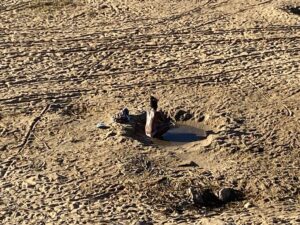
We were staying two nights in Tsiompe, which provided us with an absolutely fantastic experience to ride 35km to Faux Cap by the ocean – and back. The road was just deep loose lite sand and provided us with a test for our deep-loose-sand-riding skills.
Graves, Turtles and THE Beach
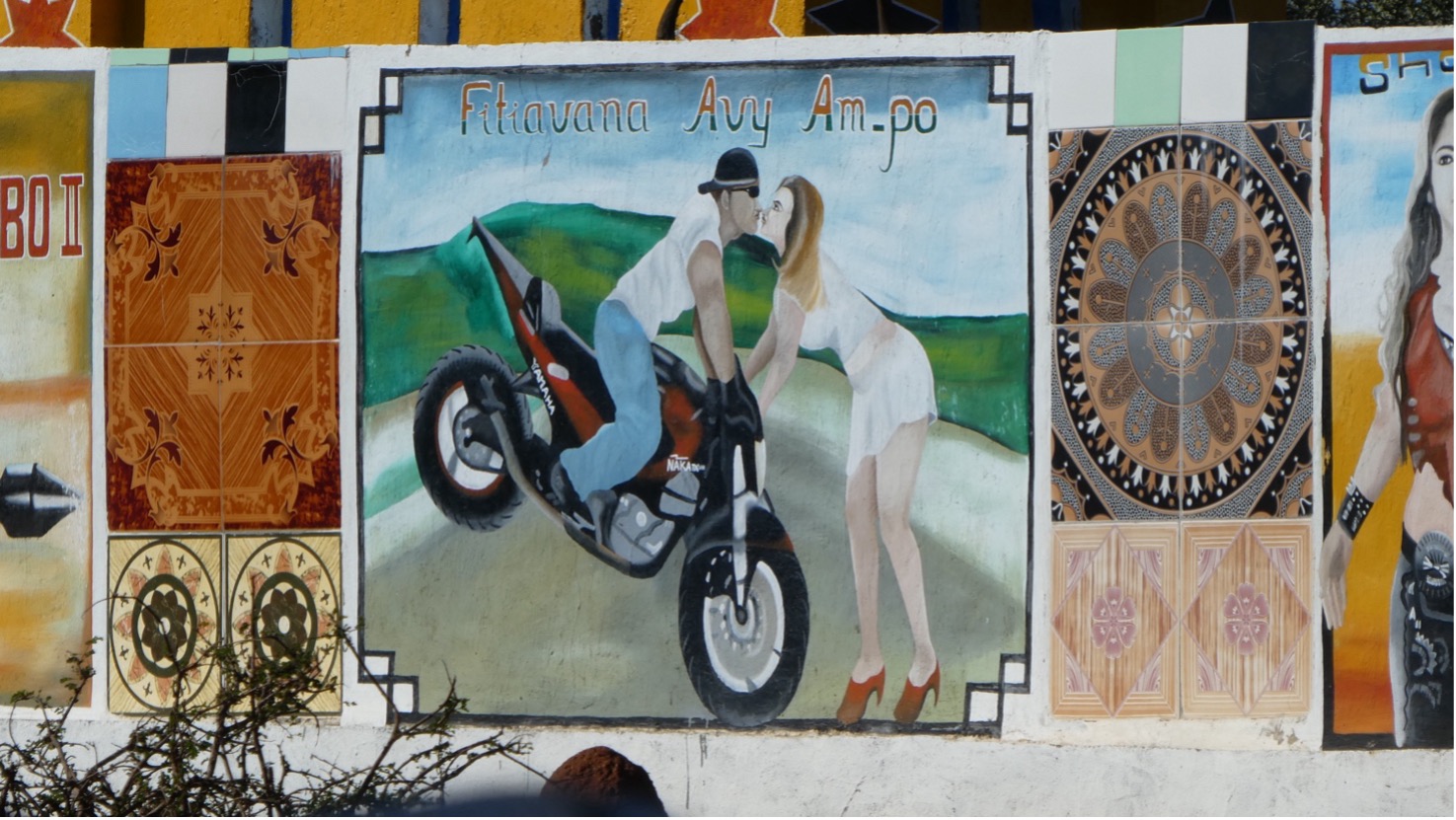
As a curiosity, there are some strange graves or burial grounds on the way for some notable people. The monuments have painted pictures around them – Rocky Balboa, animals, King Kong, etc which are somehow related to the life of the person whose grave it was. You will get a better idea if you look at the picture.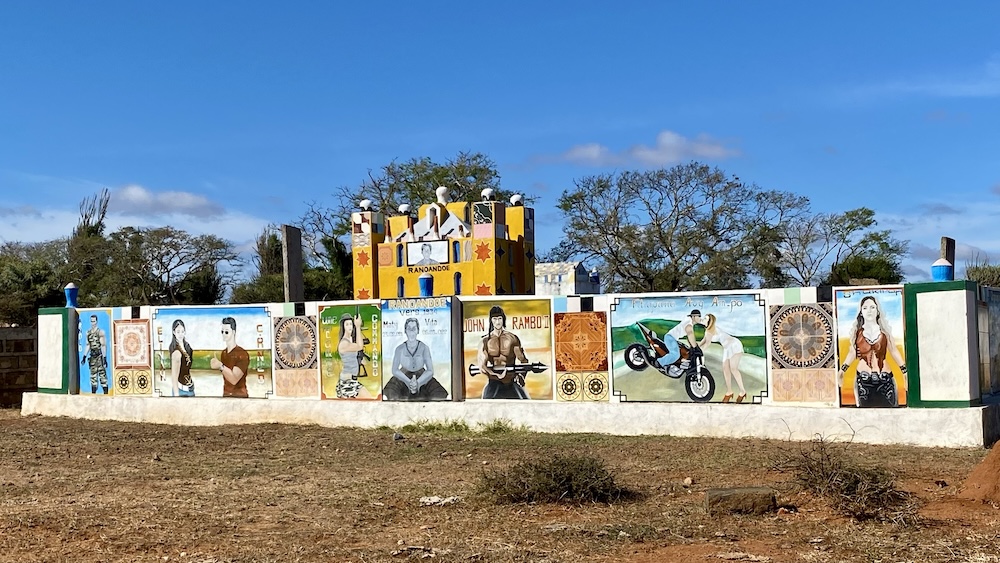
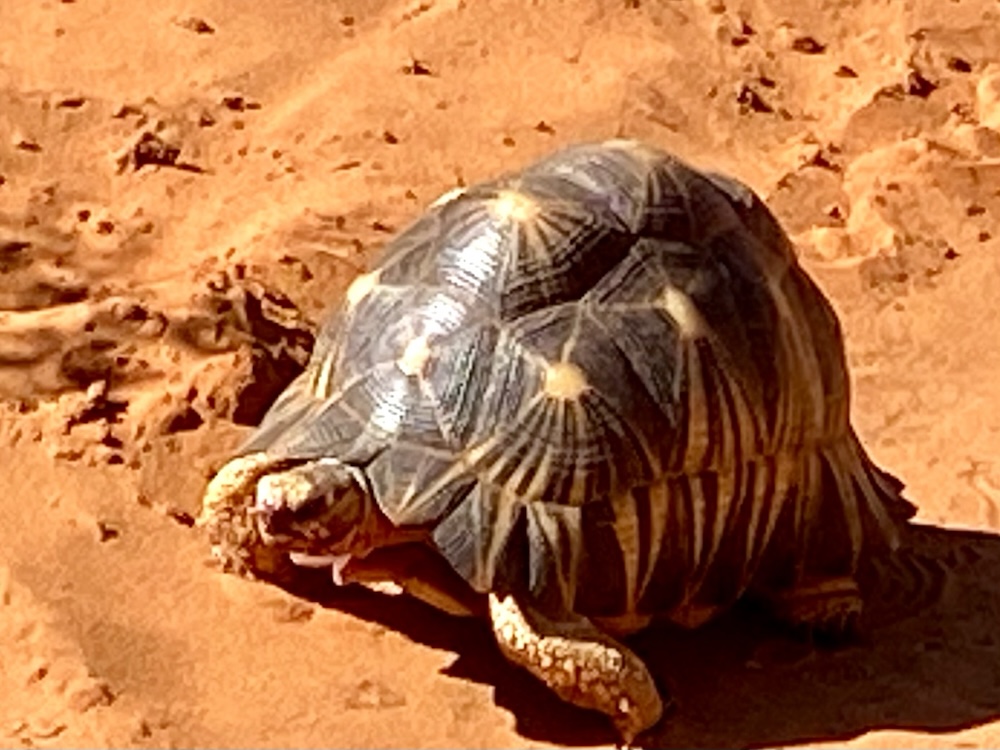
 The weather was very hot and the demanding. Bikes were obviously acting up and we had to stop a few times. These stops were sometimes actually really nice and one could see a turtle crossing the road.
Our sandy ride took us right to the beach, ideal for swimming as it was protected by a long reef in front of it. Tropical cyclones pass through here a few times each year and cause damage and that may be one reason why there were not more houses by the ocean side and why the ones that were there were sturdy built but basic.
The locals – Jean’s friends – organised a great fish lunch for us. What could be a better place for beer and fish bbq!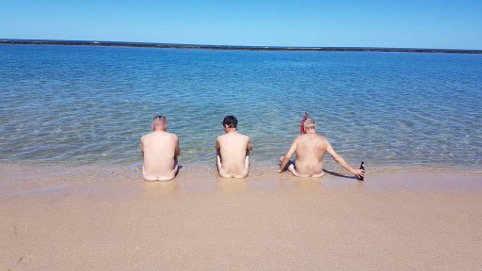
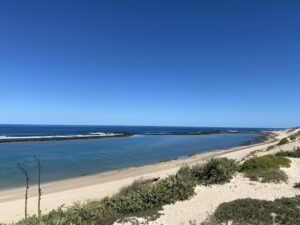
We have a custom of riding along the sandy beach where ever possible and this looked like the place to do it. 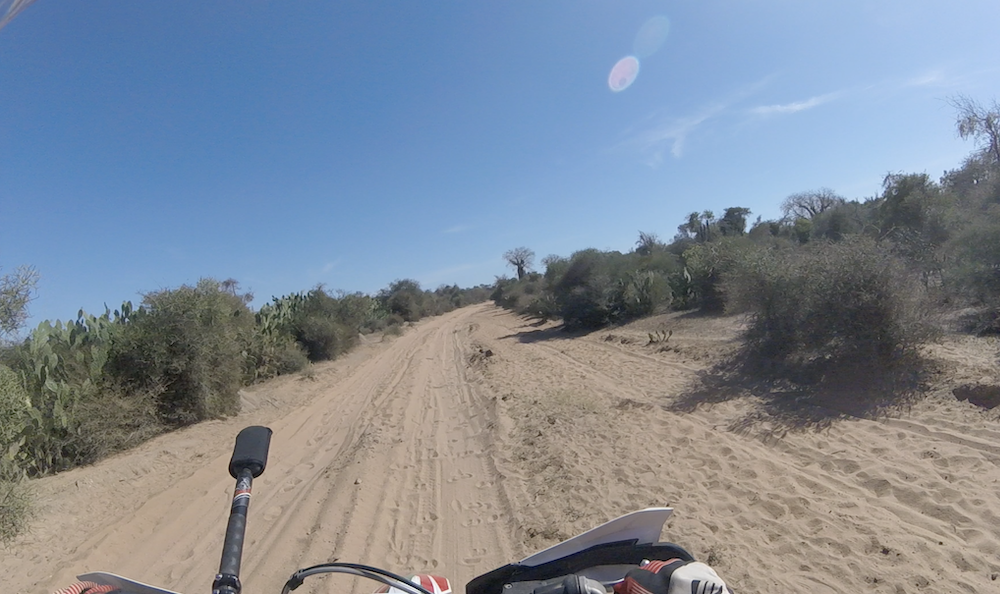 The sand however was too soft for riding. Well, Pade did not hear our whole conversation. He heard only the first part which started by how to ride down to the beach. What he did not hear was that riding there is not possible. So he rode down and eventually got stuck. Now the story goes that one of us did ride on the beach!
Ampanihy
Promising to be a fun day – lots of sand, rock and gravel – over 200km of it, plus again those strange sacred and tabu places. And some great baobab trees along the route. All this on top of the, by now, regular bush-fixes of the KTMs. Again Madagascar gave us plenty more than we expected!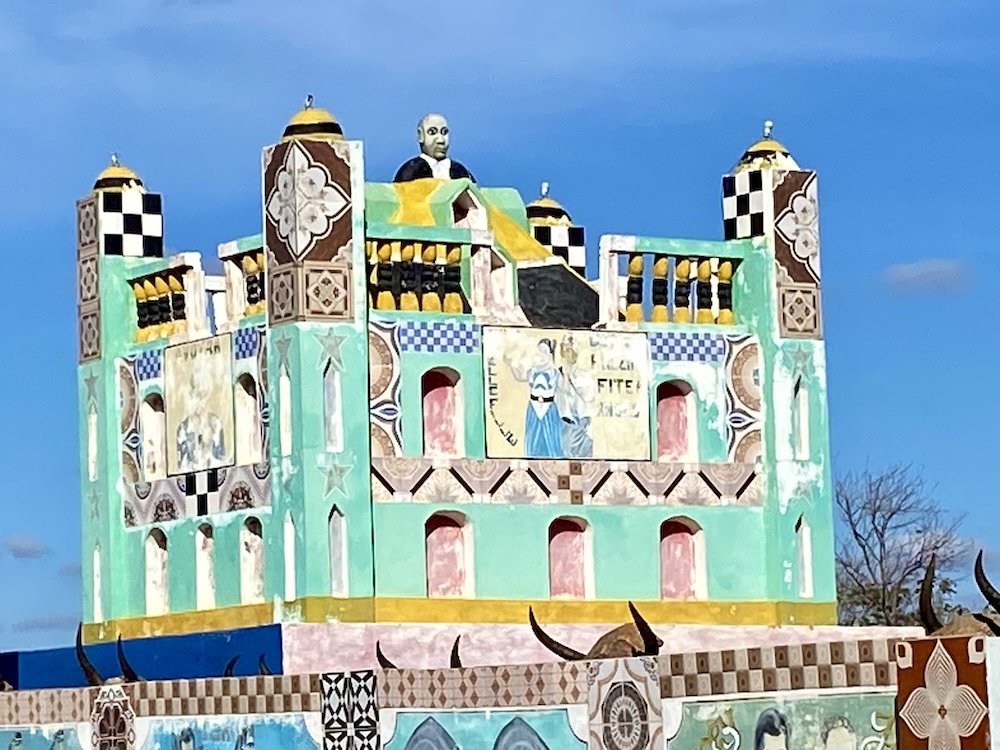
Today we managed about 1 (one) km without problems. Since we had spare bikes, the spare bikes switched places with the broken ones. Once they got fixed, they were again swapped with another broken bike, by now waiting on the roadside somewhere further down the track.
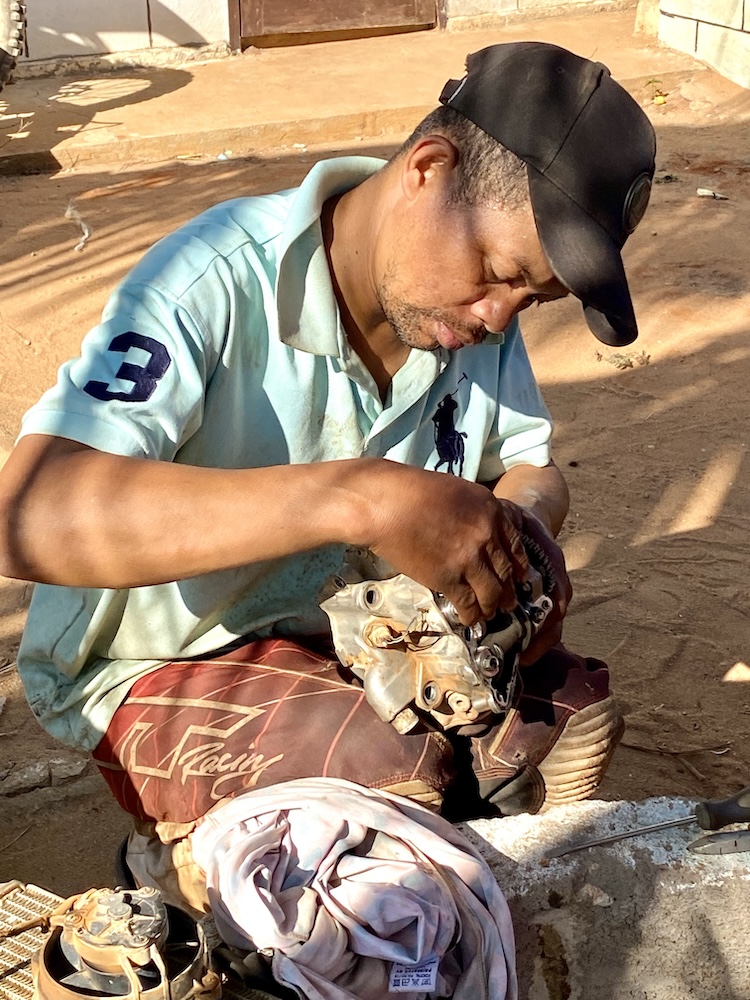
Breakdowns were now so frequent that there simply was no way of getting anyone to work on the bikes at the pace they broke down. Working on the bikes was not simple and they were usually stripped down to expose valves and to work on valve chains. This was something we had to leave for the mechanics who were very familiar with the bikes.
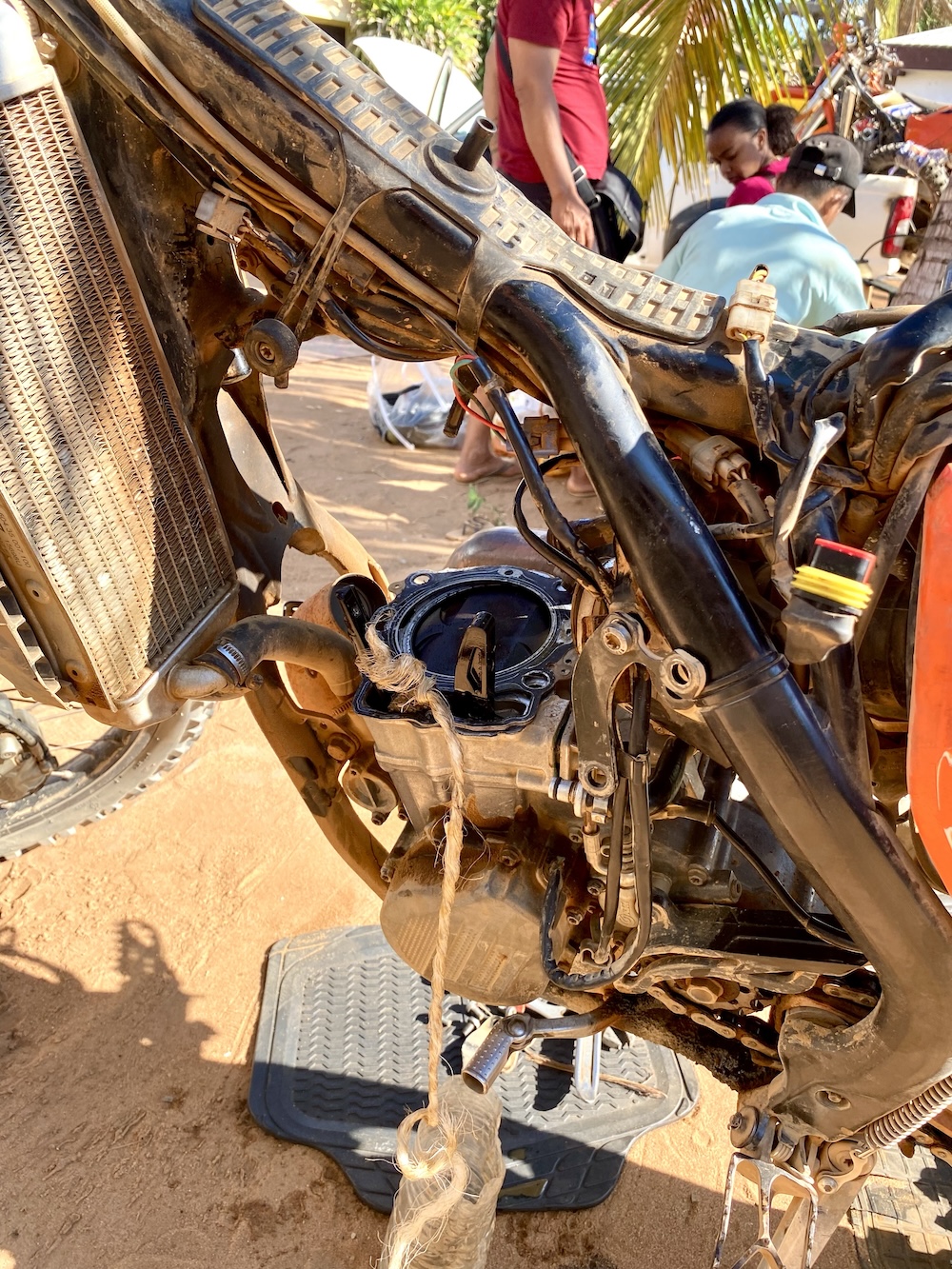
Even the mechanics were not always able to fix the bikes without their specialist tools that travelled in the support pick-up. So, at times we waited also for the pick-up truck to catch up with us. While waiting, we were left sitting in the sand in extreme heat – not ideal when one has to try and kick-start the bikes. A lot of sweat was poured in the sand.
If it starts -GO!
In the afternoon it was getting interesting. By now the norm is that if/when a problem bike fires up, it’s GO! No matter what anyone else is doing, who rides the bike goes and other try to catch up later.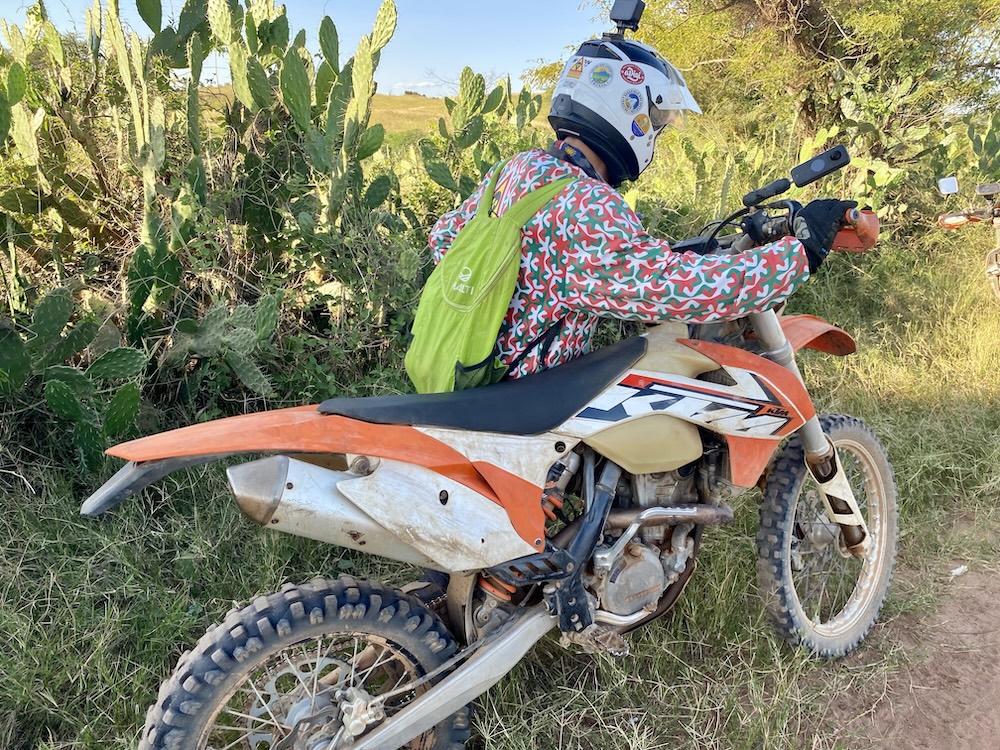
Sitting by the roadside made everyone thirsty, specially Tomi, who did not give up kicking the bike trying to start it. To get some beers and water for the guys who had their bikes fallen on the roadside, Pade and I rode some 4 km to the nearest village. On the way back, we saw Tomi speeding towards us – he had somehow managed to get the bike started and sped past us waving his hands and shouting that he will not stop for a long as the bike runs.
Later we heard that Tomi knew the general direction to head but he had no GPS and was not able to stop to dig up his phone from his pocket in fear of the very likely event of his bike stalling again.
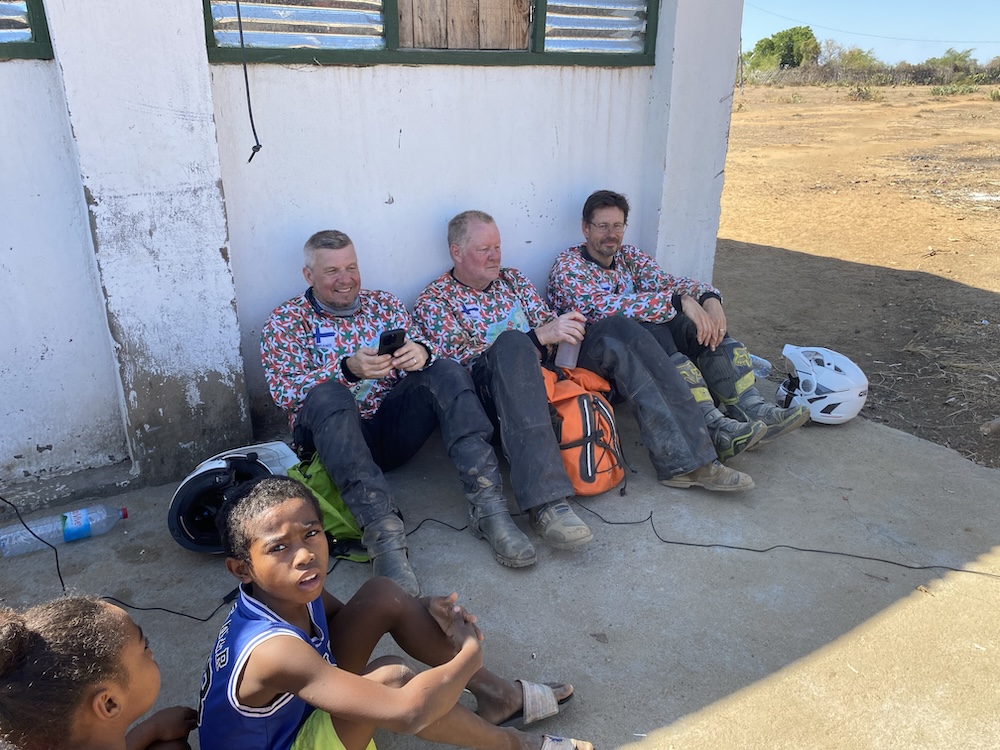
OK, so we made a U-turn to follow Tomi. Suddenly I realized that there were also two other guys still behind us, who had no idea where we were. The road appeared to continue straight over a small hill and I stopped to let the guys behind know where we were. I would set up Whatsapp to let them follow my position live on their phones. In order to do the settings, I had to stop, dig up my phone from my sealed pocket and to do the necessary tricks with it. Then I carefully placed it back in the pocket and re-sealed the pocket.
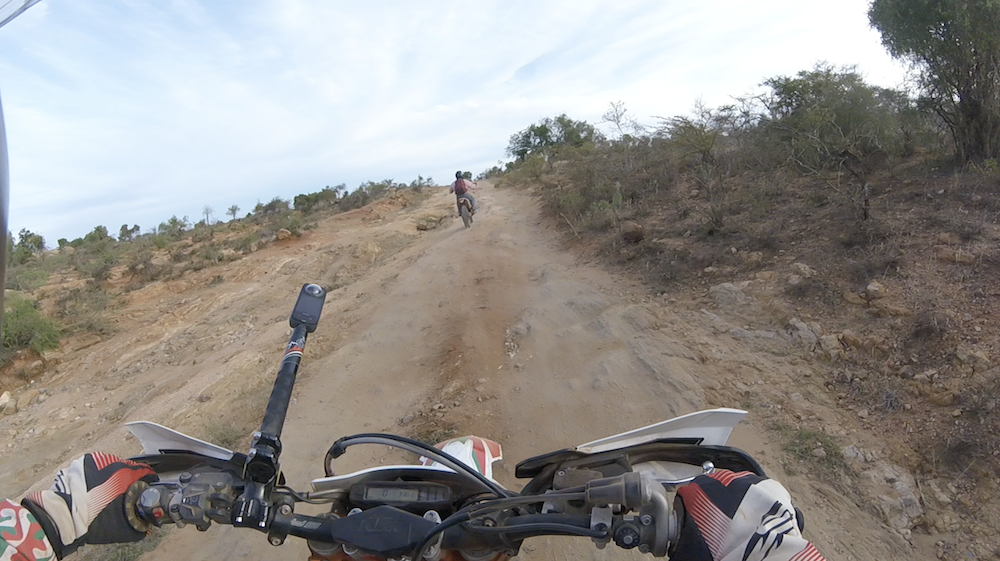
It only took me a minute or two but by now the guys ahead of me were long gone and it would be for me to try and catch them up. Did not seem too hard on a straight road with them probably breaking down soon anyway, I thought. So, over the hill and… fork on the road!! Digging up the phone again to get a bearing which way to go. To really make sure I was taking the right track, I also checked for faint tyre prints on the sand but here the locals also had some bikes, so there were a few tracks to choose from.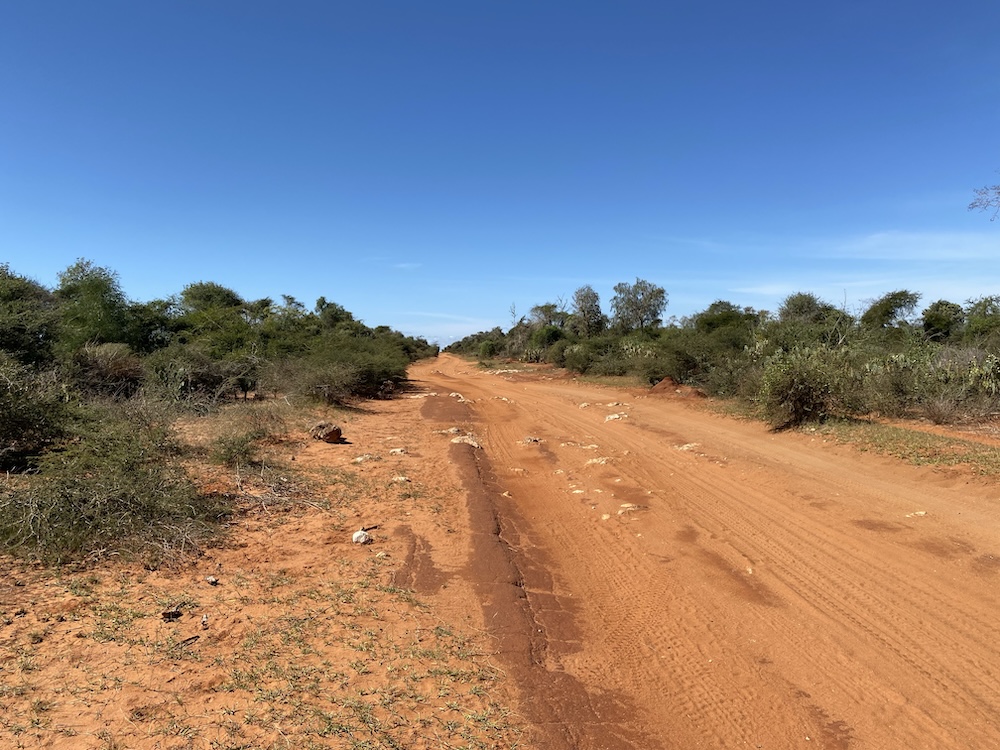
It was late in the afternoon and the sun was setting. Riding in the dark would not be ideal on the treacherous terrain. Now I was riding as fast as I could, keeping my eyes firmly on the road ahead. At times I thought I saw the guys and their bikes with a group of local people, only to realise that the bikes did not match with ours.
I kept going and by now was wondering if the guys really had gotten so far ahead of me. Then again, bikes working, they were both very experienced dirt bike riders, so it was possible.
The sun was going down just ahead of me and the scenery was magnificent, just beautiful. Only downside was that with the setting sun shining right into my eyes and through the dusty visor, it was difficult to see the road ahead. And to see the guys, who were waving at me somewhere on that very road! So I missed them…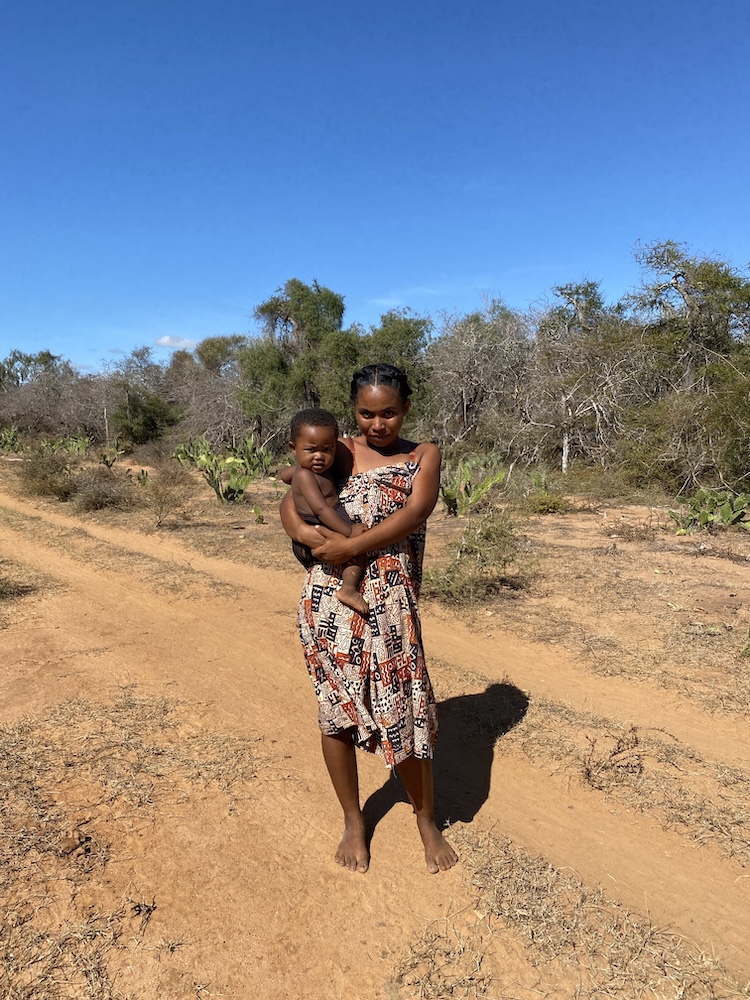
Room at the Inn?
Eventually I was relieved to see the town, Ampanihy, as the sun was giving its last rays of light for the day. The town was big enough to make finding the hotel tricky and after a few wrong alleys, I found the right one. To my astonishment I was the first to arrive. So it was for me to make sure we had room at the inn.
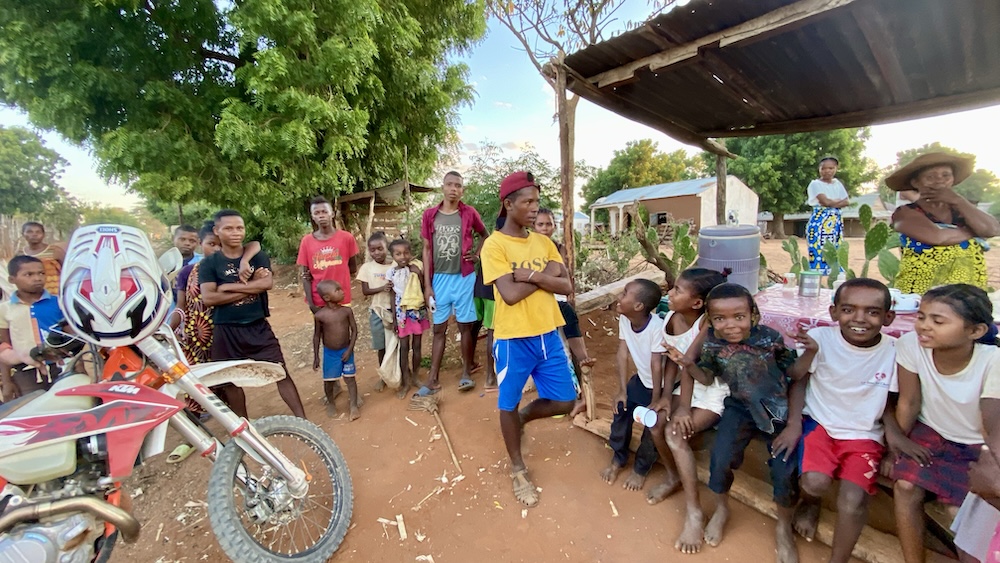
Language barrier made discussions slightly tricky but with the help of google translate, I managed to explain who I/we were and that everyone was coming. Somehow their minds worked differently and although I explained that everyone was coming, the hotel staff was eager to give the rooms away as new travelers were knocking at their door. Better have the money now rather than in half an hour! So frustratingly we had the same discussion about the rooms every few minutes.
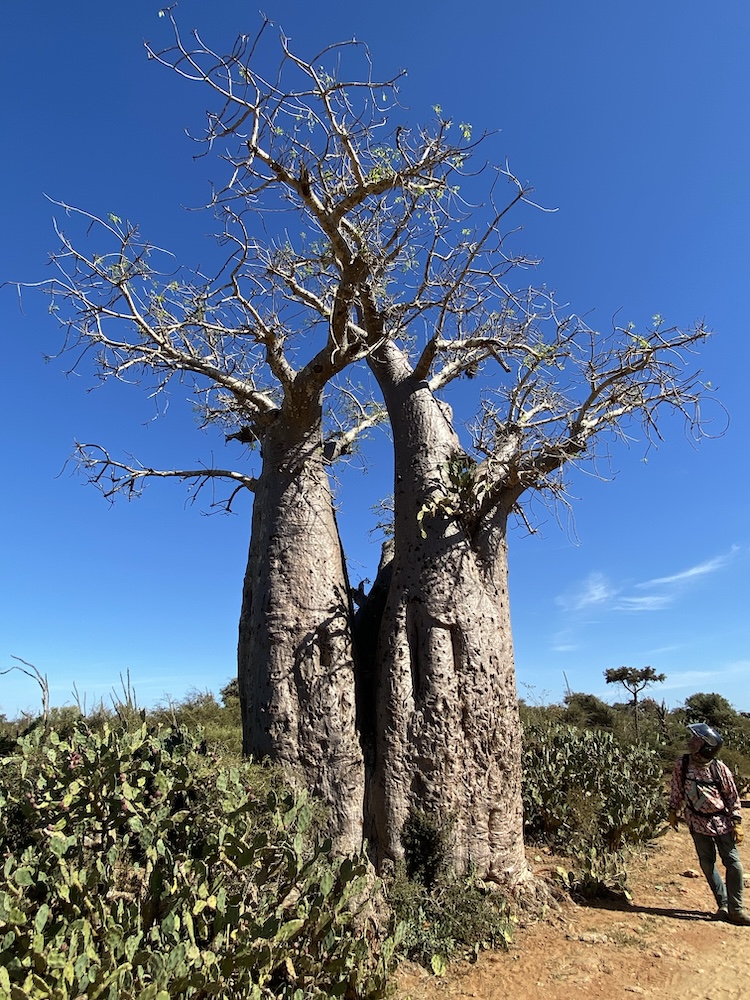
As luck would have it, I still had the beers in my back bag – the beers we were fetching for the guys stuck on the roadside earlier that afternoon. Two large THBs, Three Horse Beers and life was suddenly better. All my other gear was in the support truck, god knows where in the desert.
It was getting dark and most of the guys had their locations set up so that I was able to follow them live. While the dots were moving closer, I stood guard by the hotel gate to make sure they would not miss the turn. In the dimly lit street, I spotted two bikes coming down the road, both two-up, one with lights on, one riding behind with only a rider’s headlamp as the bike had no lights. Both passengers holding their feet on the rider’s foot pegs. No foot pegs for a passenger on either bike. Happy reunion!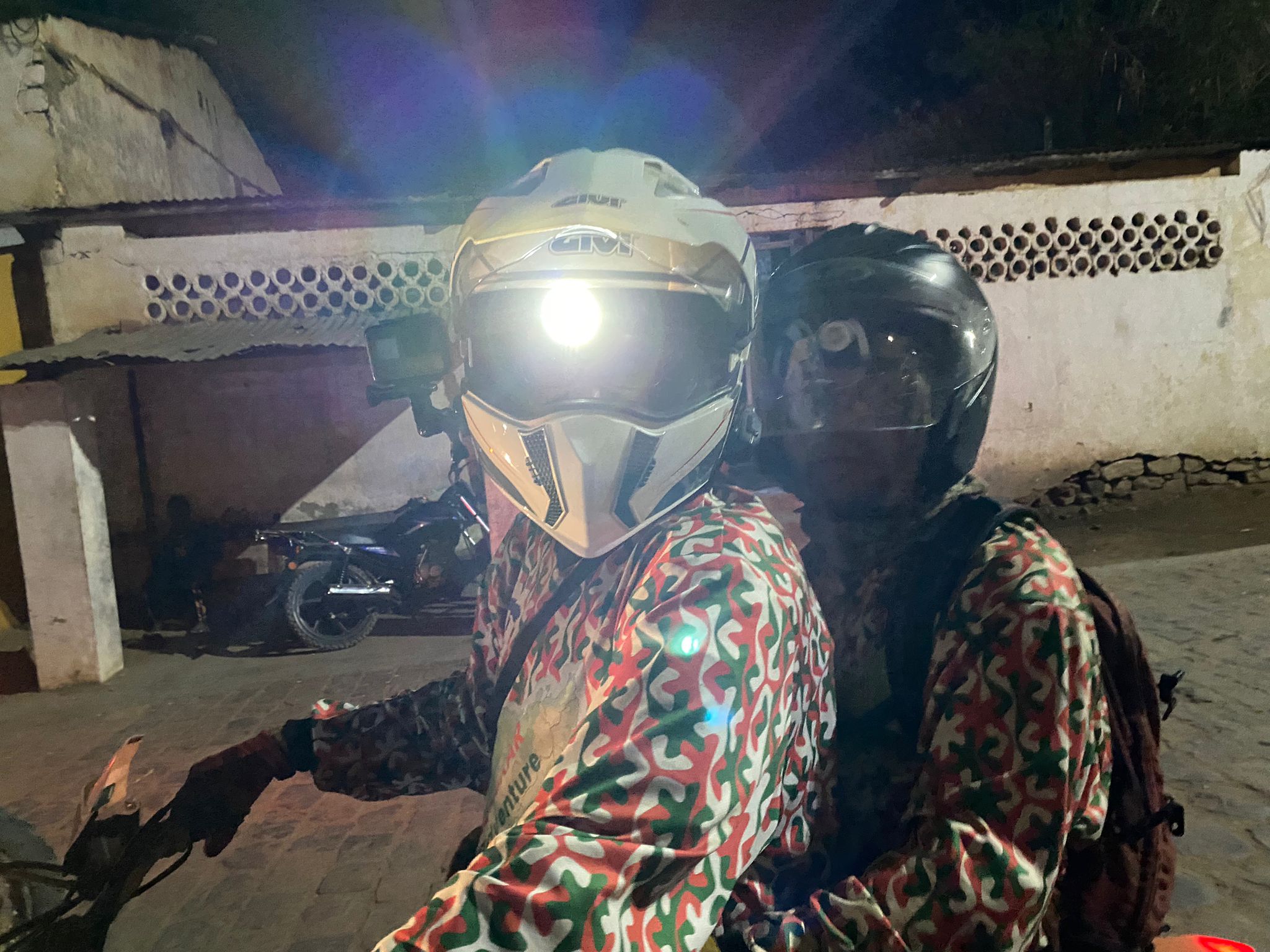
As it turned out, two bikes had broken on the way. One with broken tire, one simply stalling mid-ride and not starting again. The bikes had been left behind, one in a mud hut and one hidden behind a fence in a nearby village guarded by locals against a few euros. Locations photographed and marked carefully.
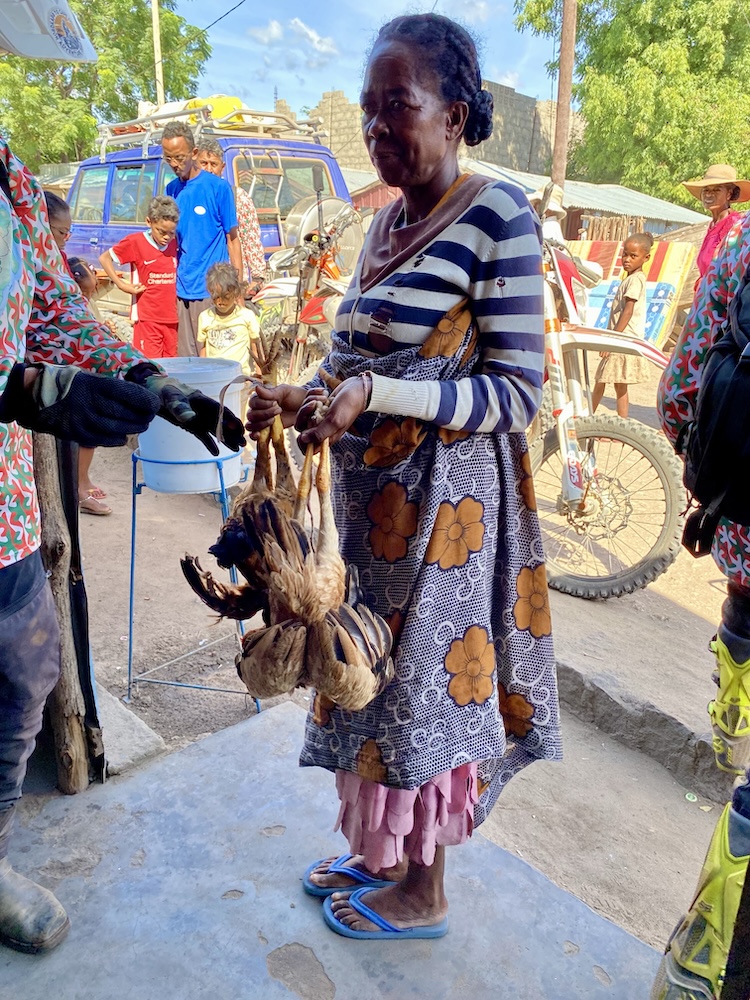
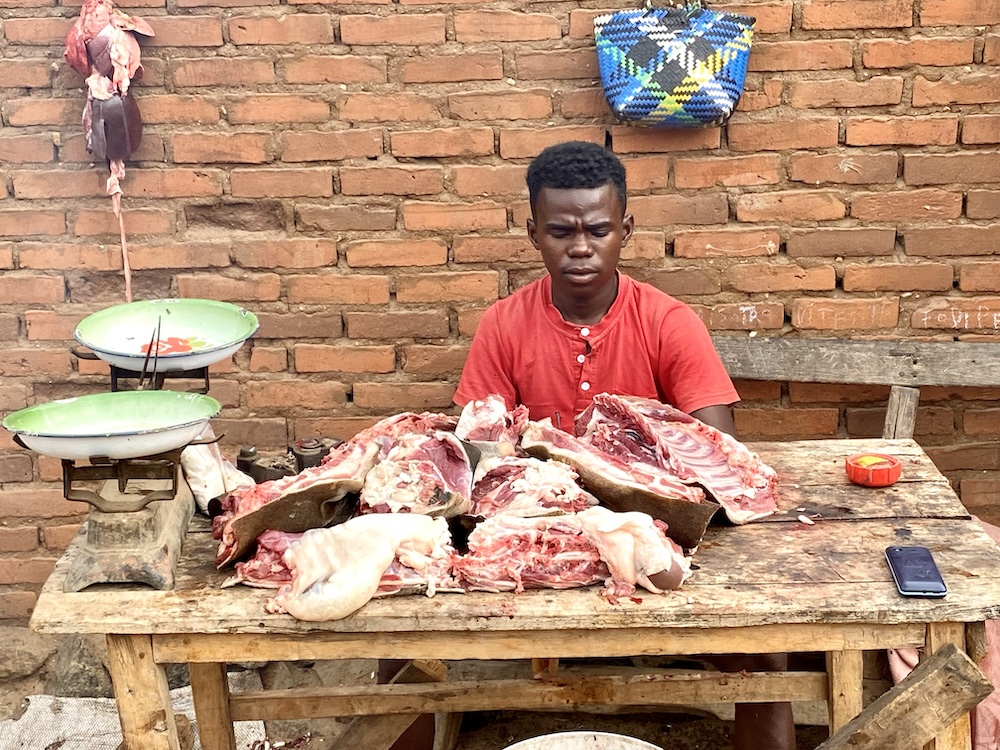
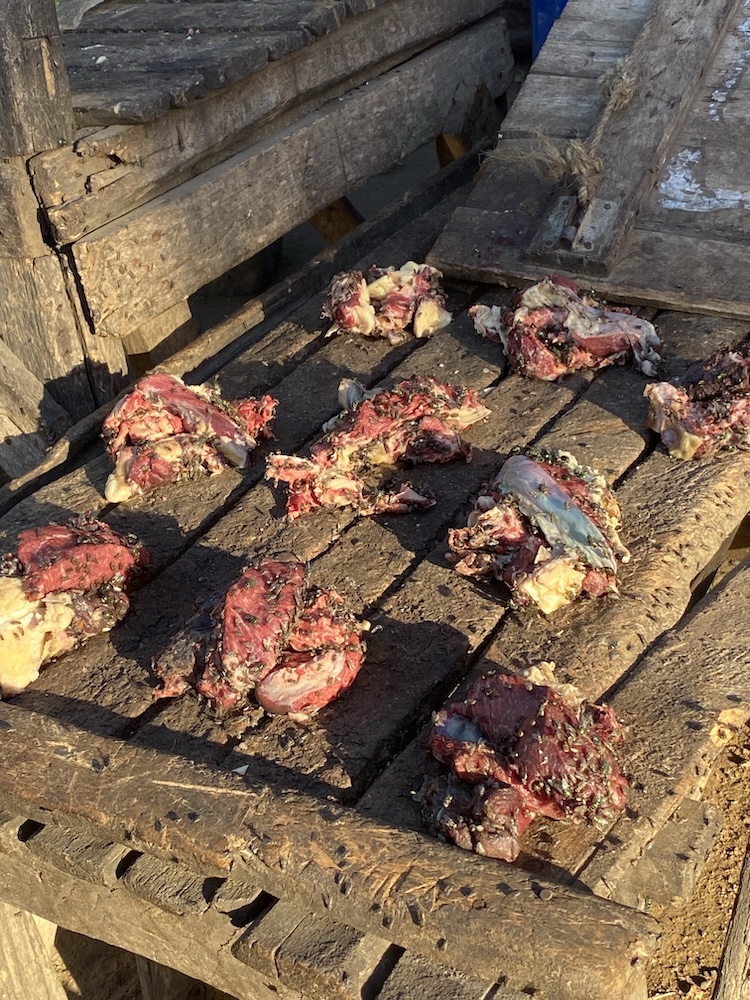
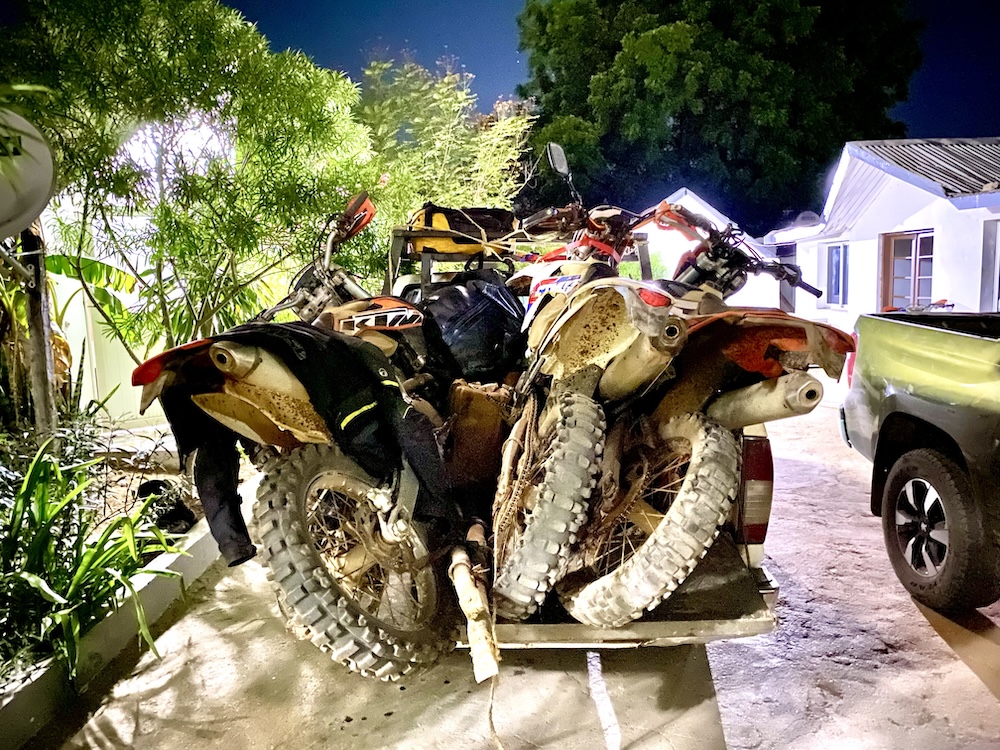
Finally when the support truck arrived, they had picked up one of the stricken bikes with the two spares, brought our change of clothes and soon everyone was happy with beers and local grilled meat sticks with experiences to exchange and stories to tell by the evening meal.
Roadblock boiling bikes on the way to Betioky
Needless to say, the following morning was busy for our mechanics and the support team. Bikes were daily fixed in the first light in the morning and today they also had to pick up one bike from the mud hut some 20 km away.
This gave us time for leisurely breakfast and by now we also knew that the times when we were supposed to get on the road were never quite so. Having all bikes started and keeping them running also took some doing.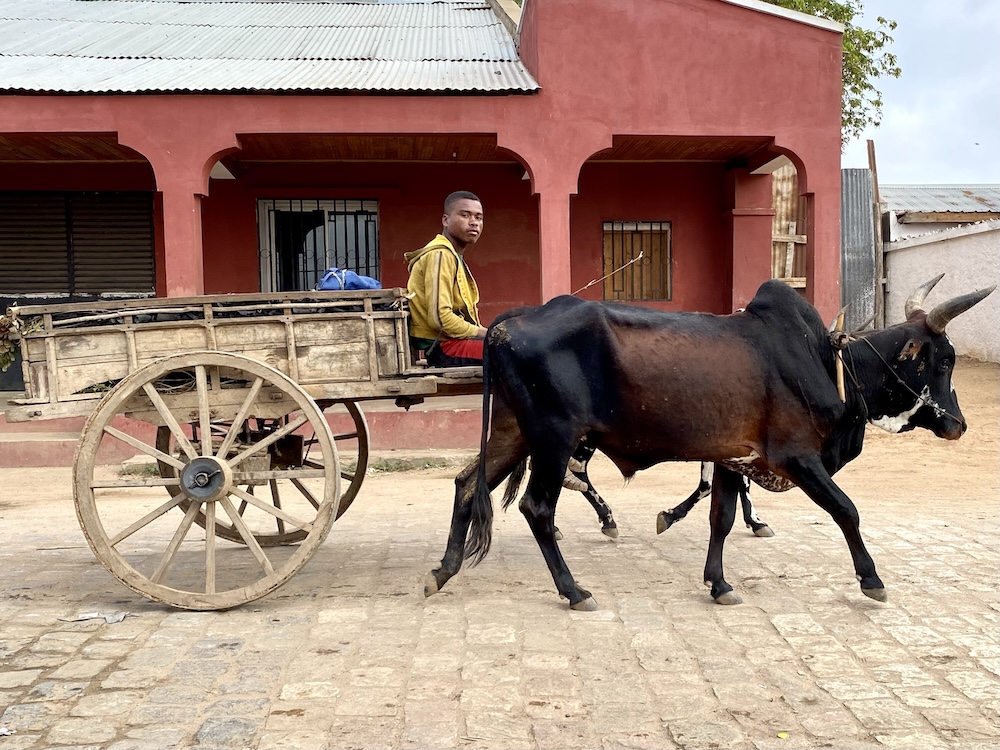
The distance to Batioky was only 130 km and we expected to have the bikes running at least most of the way if we just did not stop unnecessarily. Well, so we thought. After some 30 km Tomi’s clutch stopped releasing. His clutch had been a constant problem but had previously fixed itself after a while. Not this time. Air or sediment in the system, perhaps. So the bike had to be started by pushing and running alongside and jumping on it to get it started.
Additionally two bikes started spraying boiling cooling liquid everywhere if they were stopped with the engine running. This is obviously (Myrphy’s law) when there was an eager police officer entertaining himself by going through the bike and rider documents and observing the engines boil.
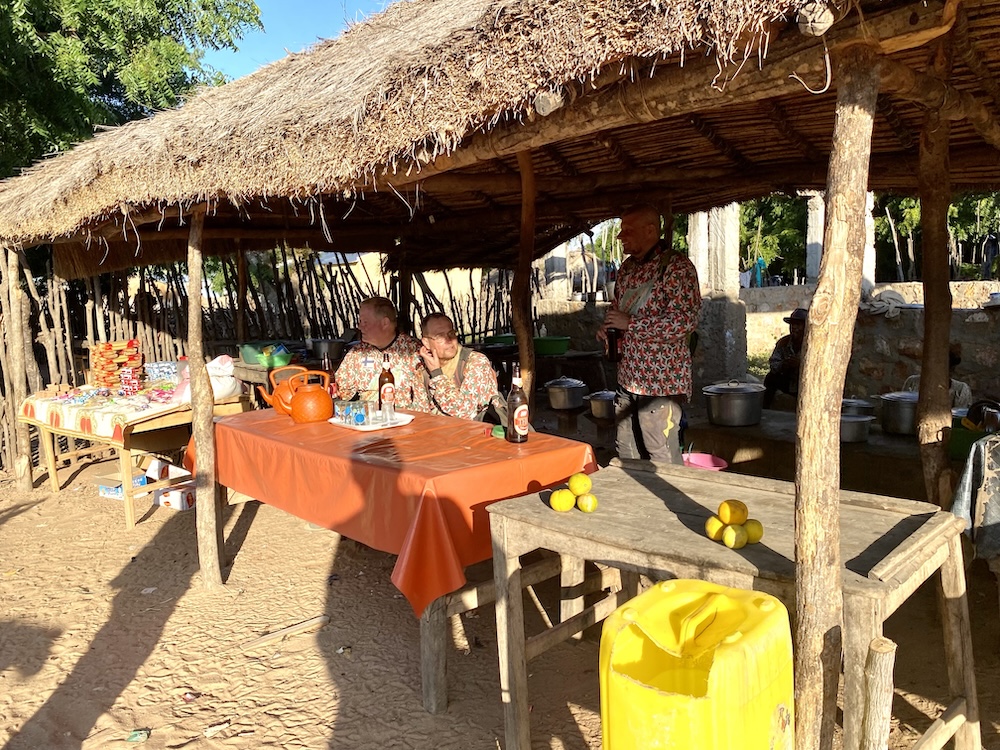
From the police roadblock we started at different times according to whose bike started first. It turned out that we all took different routes but miraculously all ended up in the same place on the road at the same time from different directions.
Betioky in patches
One of us had had a bad day and was traveling in the support truck and through communicating with him, we knew what their situation was. The truck was still at the hotel three hours after we had left. Clutch broken in that one as well. If there were going to be any major issues on the road that would require specialist tools, support would arrive earliest after three to four hours.
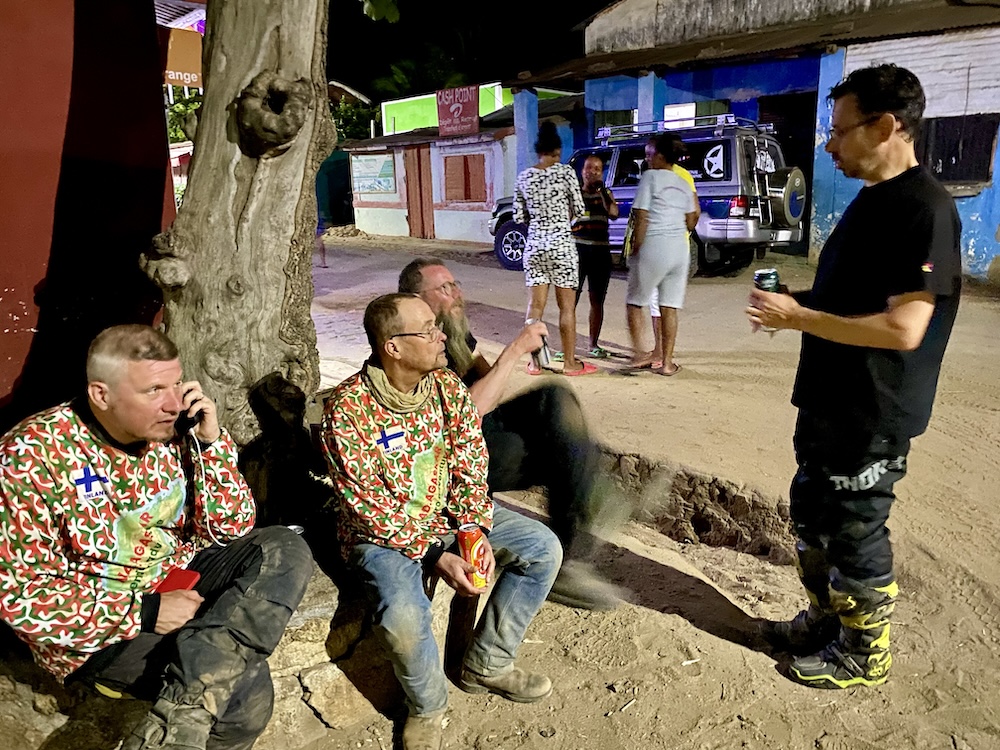
This 130 km took all day including running out of fuel. Fuel is generally available in smaller towns in coke bottles, which the locals fill and sell. There may be some impurities and the mechanic was not happy using the bottled fuel. But needs must!
Eventually we arrived to Betioky but did not know the name of the hotel nor could contact the support team. We asked around but could not find any booking for us. Though we held to our daily travel schedule pretty well, understandably booking a hotel was not easy not knowing exactly how far we would get in a day. At the end it was all sorted and we even had a reasonable dinner.
Tomorrow would be the last day of our off-roading with some 100 km of sand, followed by some 100 km on a minibus bush-taxi to Ifaty. With the experience from the earlier days, it was not at all clear that we would make it with the bikes working properly. The bikes started to fall apart.
It was all about getting them fixed and back running again on the road. And not every bike made it.
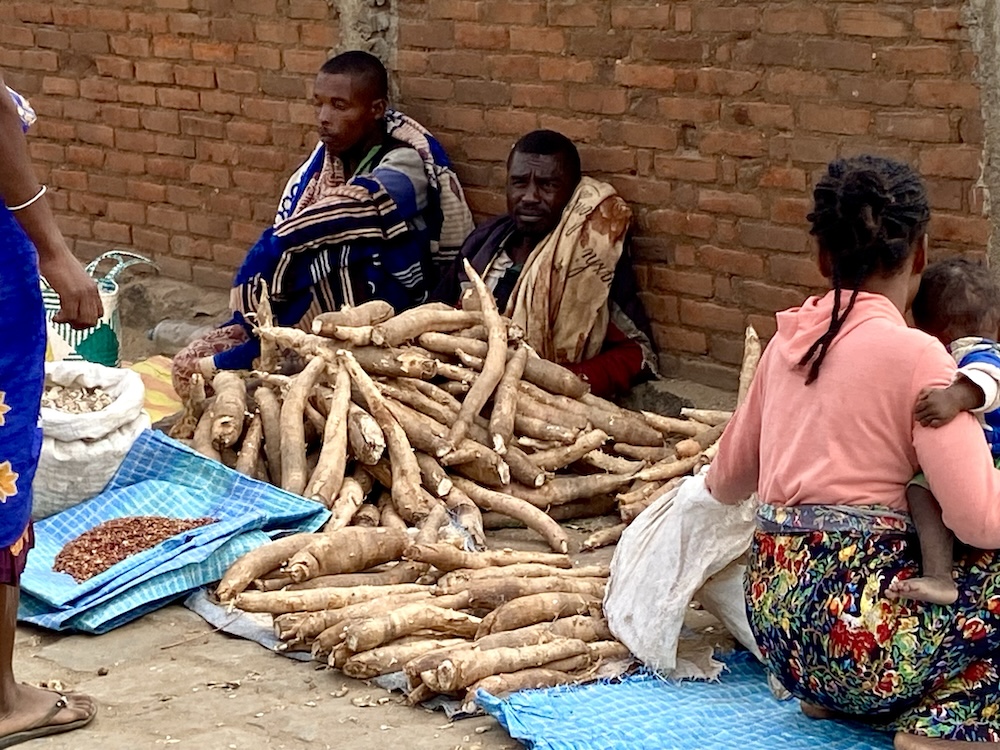
Fianal Stretch with Final Bike Parts to Ifaty
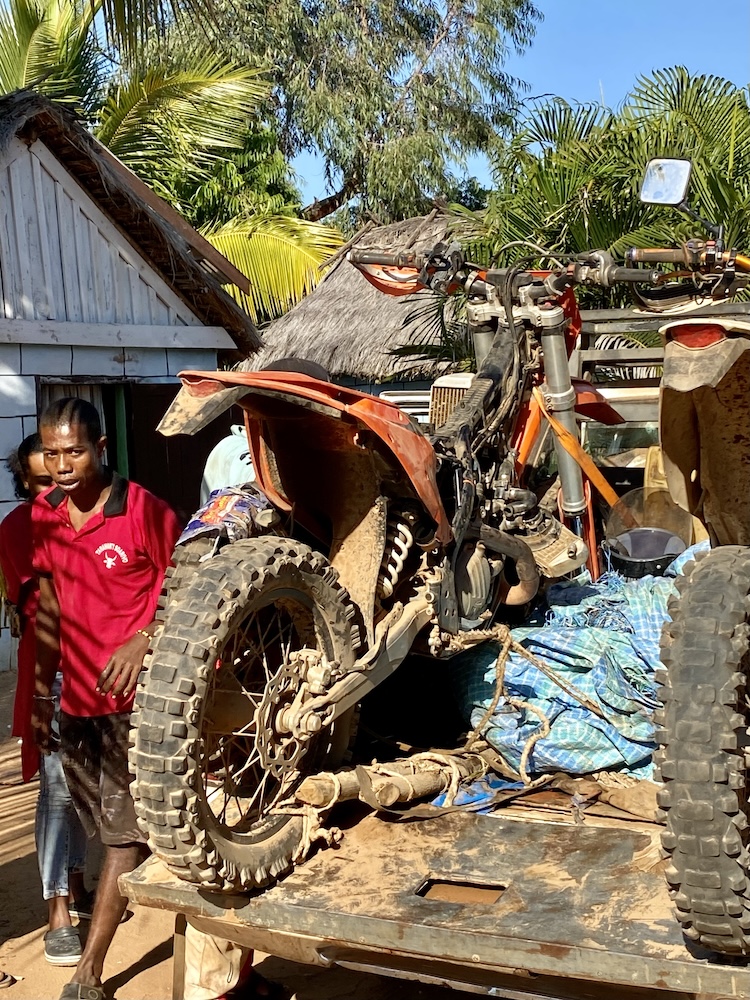
Another morning with the mechanics working on the bikes. Amazingly they disassembled the bikes to have the pistons visible and reassembled them again in very short time. One of the original spare bikes was an organ donor by now.
Eventually around noon we all bar one, headed to the petrol station. While filling the tanks, the last one of us showed up. So all going well now. Or not. One bike refused to start and would not start at all. So it was one more guy and a bike on the truck.
By now our truck was getting tired as well and had to be push started at the hotel.
The landscape was now very beautiful open prairie and the weather was really hot. The road was now even deeper, softer sand and great to ride after a few days of gaining experience earlier.
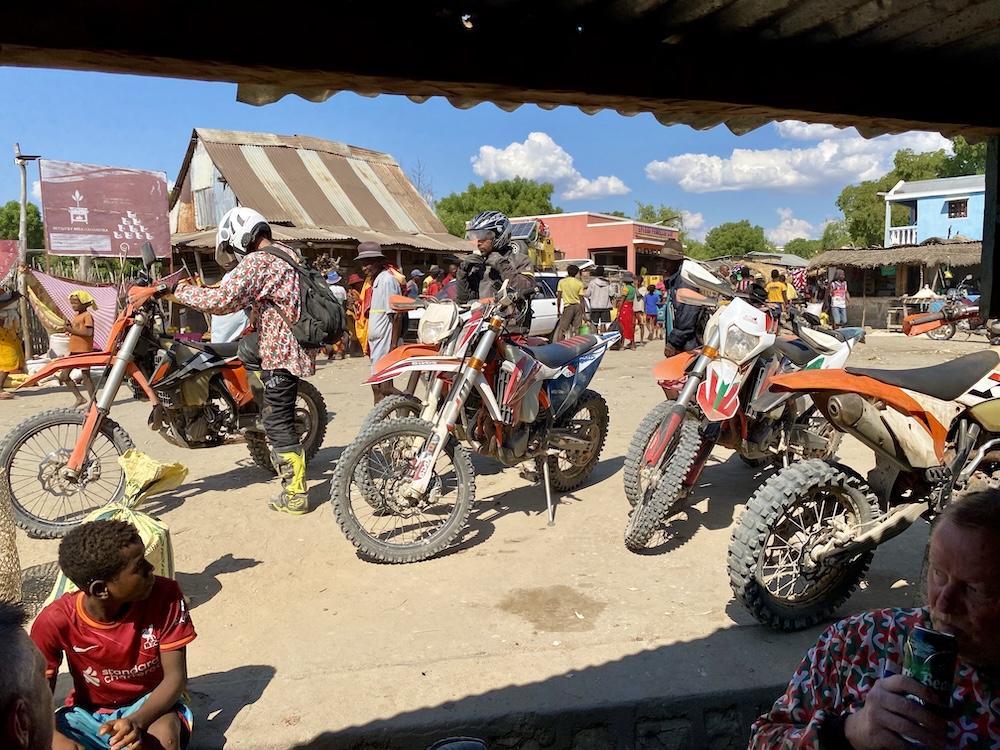
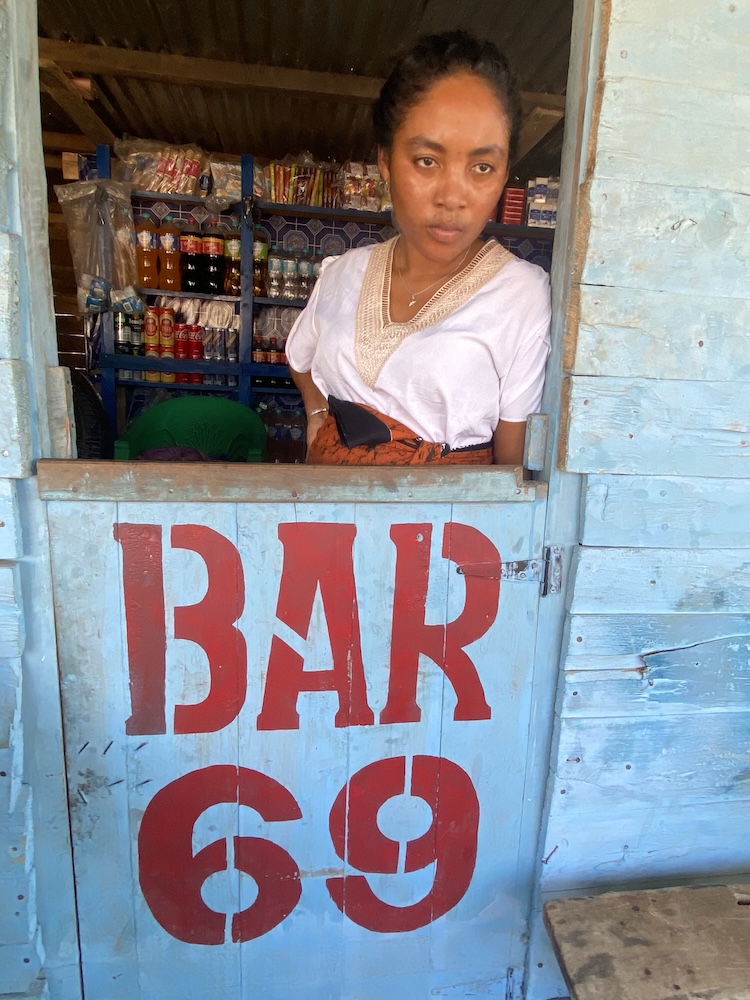
One of our mechanics would sometimes trade his bike with another fallen roadside. He would take the bike apart and catch up to meet up with yet another broken bike or with the group of us having drinks in a roadside bar. “Bar” was usually a small hut that had a few chairs outside in the shadow.
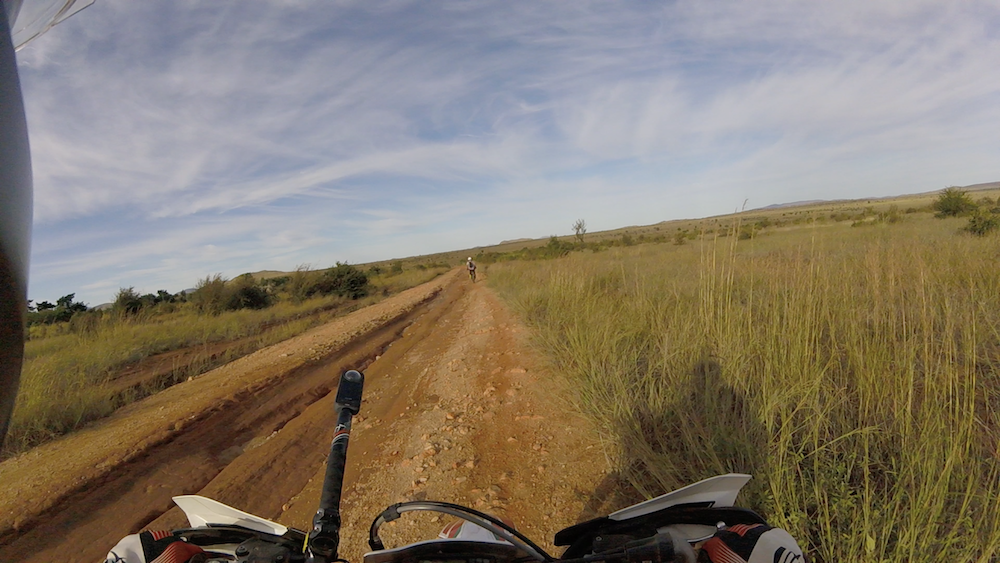
No-one is left without help
The locals were very helpful, sometimes pushing the bikes (longer distances against a small tip), sometimes even towing behind a truck. And even raising a bike on a flatbed lorry, as we had to do with less than some 20 km before the end of our journey.
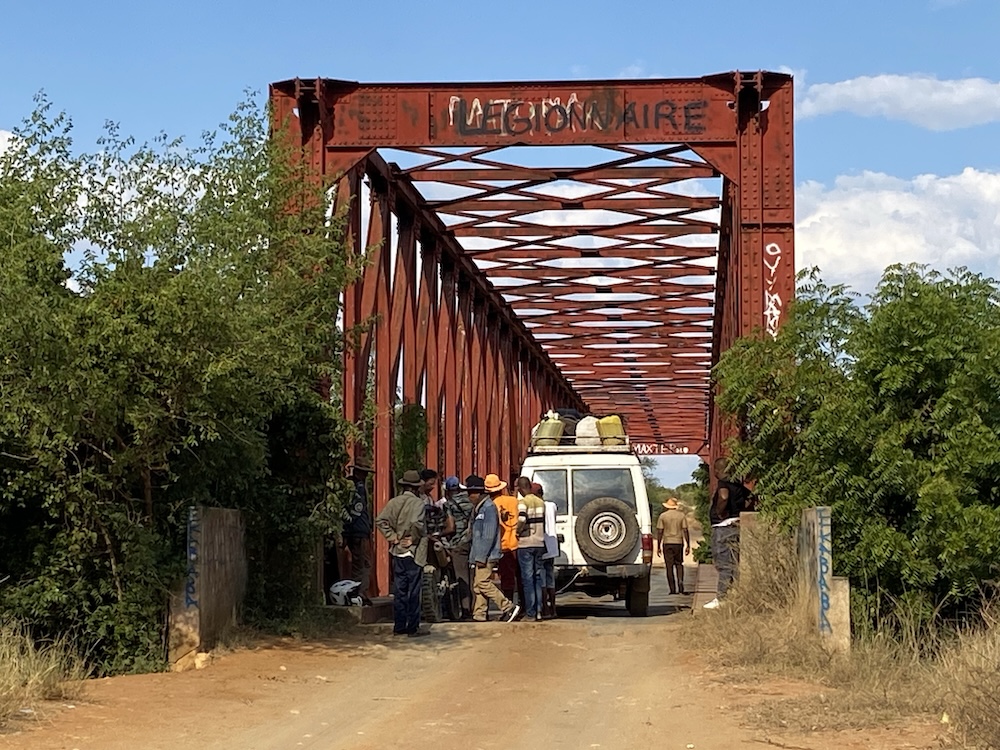
I was riding with Tomi when his bike simply stalled. We had under 20 km to go and lacking any kind of rope, thought of making a rope out of our shirts. Just as we were about to do that, Roll, our mechanic rolled in. This time even his magic touch could not wake up the bike. In a desert with virtually no trucks or any kind of cars in the bushes, what are the chances that an empty flatbed truck would come along!?!? But that is just what happened. So, it was a case of lifting the bike on the truck with Roll also getting in the truck and Tomi continuing with Roll’s bike, as was the norm by now.


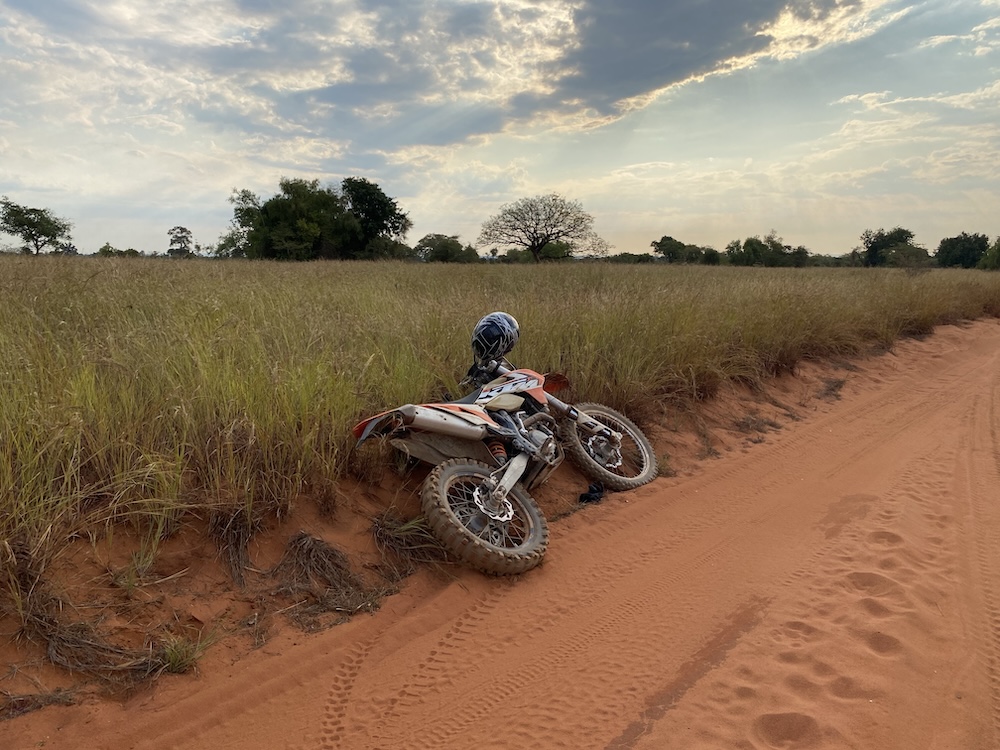
We made it to our off-roading destination, Tulear, all in one peace. Although Petri rode his last 15 km with an empty front tire…
All in this Car – Really?!?
Tulear, this is where we would say goodbye to our bikes and hop in a minivan… not quite so fast. We find an unhappy driver looking at us with no minivan but an SUV, which would not be able to take all of us and our gear.
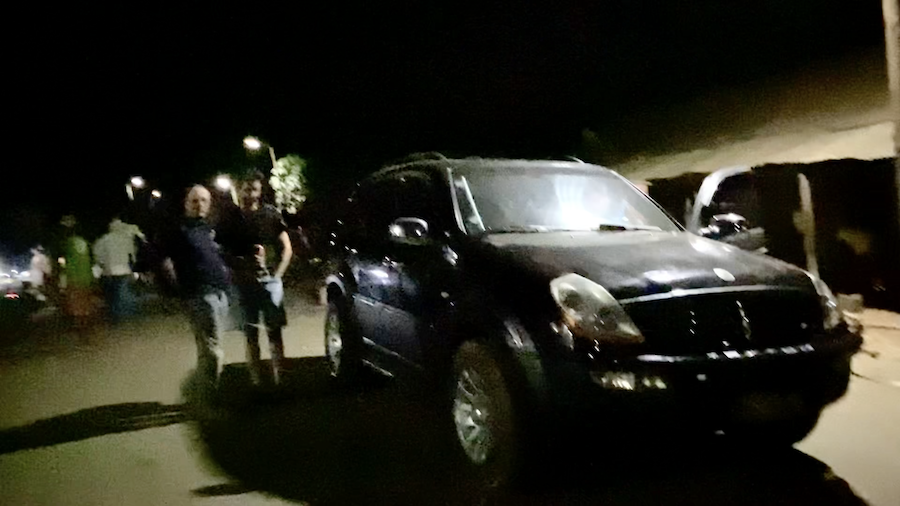
Severi pointed out that the support truck would drive back to Antananarivo before our flight out and that could take our gear instead of the SUV. Then we would all just about fit in the car. That plan was now on and we managed to fit all six of us with some gear in the SUV, Petri lying on the luggage in the very back of the car.
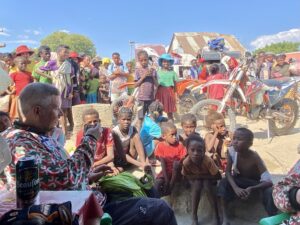
It was a quite packed 4 hour drive. The driver knew his business and we stopped at his “uncle’s restaurant” on the way for a good meal. We spent the night at the very comfortable Ifaty Beach Club Resort. The original idea was to stay here for two nights and to relax and explore the local coral reef. Our flight however was rescheduled and the visit unfortunately turned out to a short one night stay.
Return to Tana
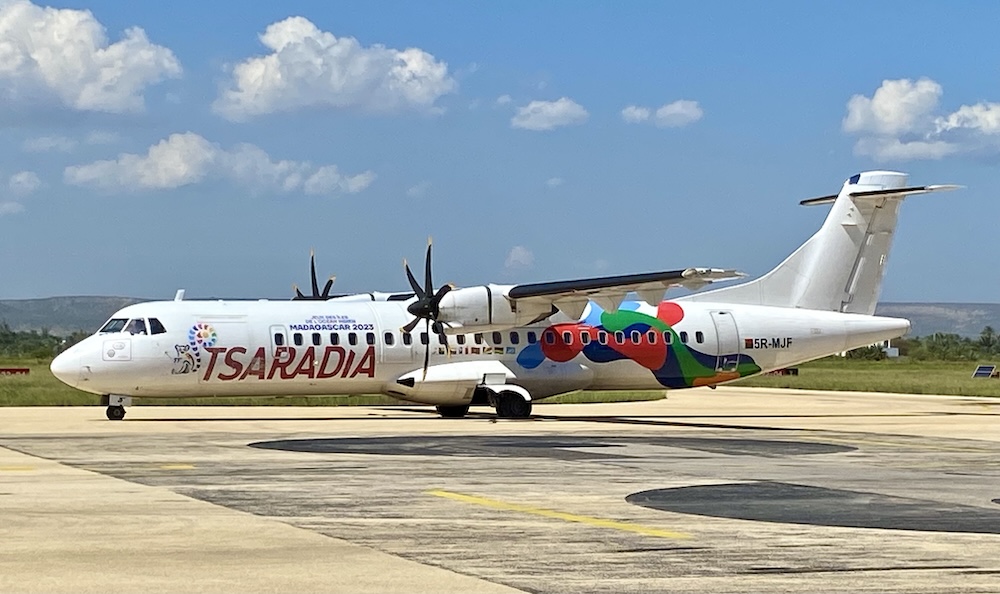
Now it was only a short domestic Tsaradia flight to Tana. This time we were staying a bit further away from the city centre, which provided an opportunity to explore perhaps some more authentic life in the suburbs. Still a lot of stalls and markets, pretty much the same as in the city centre. Only high walls around the residential areas but more or less the same as Tana centre.


Now we also had a bit of time to visit the nightlife of Tana and found a really cool music bar with live music. A very good end to our adventure on the island of Madagascar.
On the video below, you can listen to the talented lady and see how the drummer and keyboard player switch places without a hitch!